How Do Vape Detectors Work? (Expert Explanation)

Contents
- Key Takeaways
- Understanding Vape Detectors
- Types of Sensors Used
- Deployment and Operation
- Installation and Maintenance
- Optimizing Detector Performance
- Impact and Considerations
- Health and Legal Implications
- Ethical and Privacy Concerns
- Frequently Asked Questions
- What technology do vape detectors use to sense vapor?
- What are the common causes of false positives in vape detectors?
- Are there visual indicators when a vape detector is activated?
- Sources
If you’re wondering how vape detectors work, you’re not alone. These devices are becoming increasingly popular in schools, businesses, and other public places as a way to detect vaping and discourage its use.
Vape detectors work by using sensors to detect the presence of certain chemicals, compounds, or particles that are typically emitted from these devices when vaping.
Depending on the model, manufacturers say their sensors respond to aerosol particles and to chemicals such as propylene glycol, glycerin, nicotine or THC. Independent data on how accurate these claims are is limited.
If you manage a building or school, it helps to know what these sensors can and can't do. It’s also worth weighing their impact on students and staff, along with the potential health risks associated with vaping.
In this article, we’ll take a closer look at how vape detectors work, how they’re deployed and operated, and some frequently asked questions about these devices.
Key Takeaways
- Vape detectors work by using sensors to detect the presence of certain chemicals, compounds, or particles that are typically emitted from these devices when vaping.
- It’s important to understand the impact of vape detectors on students, businesses, and other groups, as well as the potential dangers associated with vaping.
- Deploying and operating vape detectors requires careful consideration of a range of factors, including location, sensitivity, and maintenance.
Understanding Vape Detectors
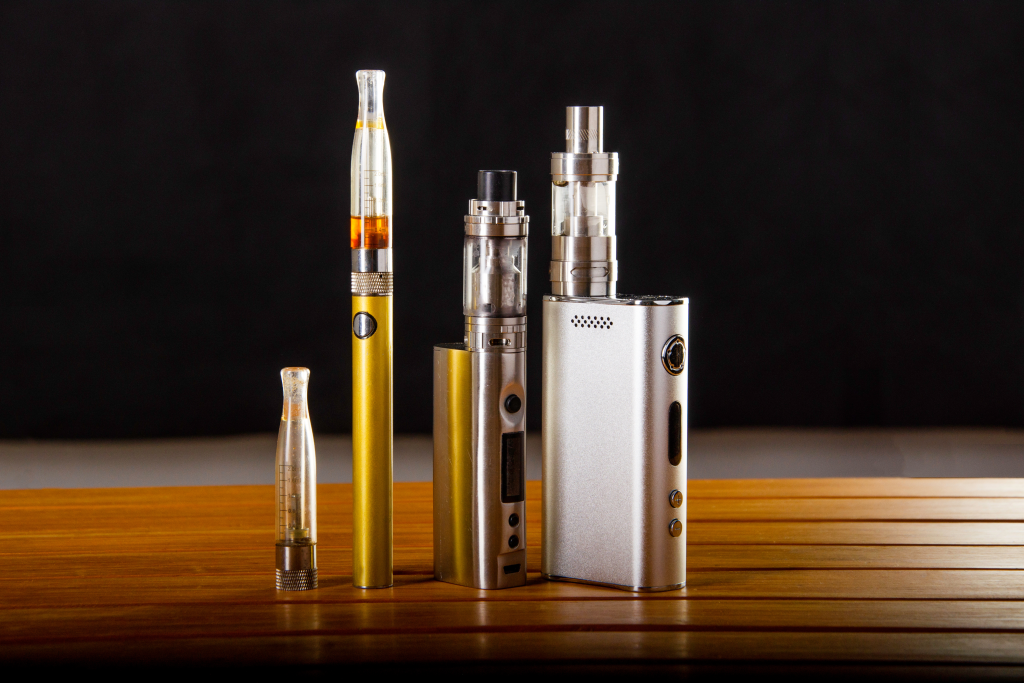
If you are wondering how vape detectors work, you have come to the right place. Vape detectors are devices designed to detect the presence of vaporized e-liquids in an area.
They are commonly used in public places like schools, office buildings, and hospitals to prevent people from vaping indoors.
Types of Sensors Used
Vape detectors incorporate various technologies to detect the presence of vaporized e-liquids.
The most common sensors used are particulate sensors, metal oxide semiconductor sensors, and gas sensors.
Laser Scattering Sensor
One of the most common technologies used is the laser scattering sensor.
A laser shines through a small air chamber. When aerosol particles drift in, they scatter light onto a detector, and the device counts and sizes the particles.
Particulate Sensor
Particulate sensing works on a similar idea to photoelectric smoke detectors, which sound when particles reflect enough light onto a sensor.
NIST notes that more sensitive smoke detectors also trigger more nuisance alarms. Vape detectors face the same trade-off with steam, dust and aerosol sprays.
Metal oxide semiconductor sensors
Metal oxide semiconductor sensors detect changes in the electrical conductivity of a metal oxide when it comes into contact with a gas. These sensors are commonly used in gas detectors and can also be used in vape detectors.
Gas Sensors
Gas sensors operate by detecting changes in the concentration of a gas in the air. They are commonly used in air quality monitors and can also be used in vape detectors.
Infrared Sensors
Some detectors add other sensor types, such as infrared, to help tell vape aerosol apart from dust or steam. These are less common, and makers rarely publish independent test results.
Deployment and Operation
Installation and Maintenance
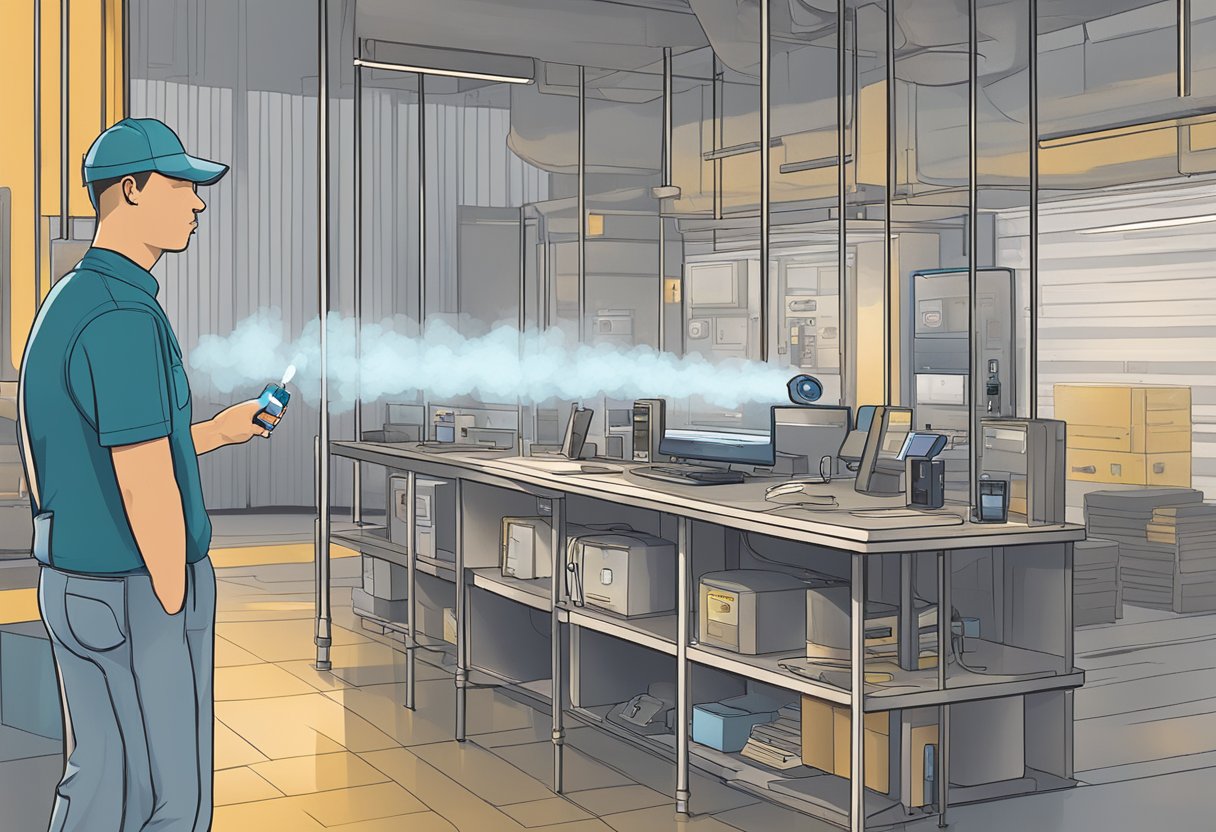
To ensure the effectiveness of your vape detectors, it is important to install them properly. Consider factors such as location, ventilation, and room size when installing the detectors.
Install them where vaping isn't allowed but tends to happen, such as restrooms and locker rooms. Avoid spots right next to showers, vents or hand dryers, which can cause false alarms.
Proper maintenance is also essential for ensuring the accuracy and reliability of your vape detectors. Regular cleaning and inspection of the detectors can help optimize their performance and prevent obstructions from interfering with their sensitivity.
You should also ensure that the detectors are updated with the latest software to ensure they are functioning properly.
Optimizing Detector Performance
To optimize the performance of your vape detectors, consider implementing deterrent features such as audio or light alerts to discourage vaping behavior in indoor spaces.
Many systems also log alerts over time. Administrators can use this to see where and when vaping happens most often.
Humidity, temperature, and airflow can also affect the sensitivity and effectiveness of your vape detectors. Ensure that the detectors are properly calibrated to account for these factors and that they are located in areas with consistent environmental conditions.
It is important to note that vape detectors should not be relied upon as a sole security measure. They should be used in conjunction with other security systems to ensure maximum effectiveness.
Properly deploying and maintaining vape detectors can greatly enhance their effectiveness in detecting vaping emissions and discouraging vaping behavior in indoor spaces.
Impact and Considerations
Health and Legal Implications
The use of vape detectors in public places, schools, and healthcare facilities has become more common in recent years due to the increasing popularity of vaping devices among teenagers.
The CDC says e-cigarettes should not be used by youth, and that nicotine can harm brain development, which continues until about age 25. Schools install detectors to discourage use and limit exposure to harmful chemicals in vape aerosol.
However, the use of vape detectors raises legal and ethical concerns. False alarms can lead to unnecessary panic and disruption, especially in schools and government buildings. Detectors sample air rather than record people, but some systems link alerts to cameras outside the room. Schools should tell students and staff what is monitored.
Enforcement of vape detector policies can also be challenging. There is a risk of false positives, which can lead to accusations and disciplinary actions against innocent individuals. Additionally, tampering with vape detectors can be a concern, as it can compromise their effectiveness and accuracy.
Ethical and Privacy Concerns
The use of vape detectors in schools and other public places raises ethical and privacy concerns.
While they can be an effective deterrent against vaping, they can also be seen as an invasion of privacy. Schools and school officials must balance the need to protect students’ health and safety with their right to privacy.
The use of vape detectors can also have a deterrent effect on students who may be tempted to vape. However, it is important to consider the cost of implementing and maintaining vape detectors, as well as the cost of replacing them if they are damaged or tampered with.
Frequently Asked Questions
What technology do vape detectors use to sense vapor?
Most vape detectors measure fine airborne particles, often reported as PM2.5, using light scattering. Many add chemical sensors for compounds in vape aerosol. Multi-sensor designs aim to cut false alarms.
What are the common causes of false positives in vape detectors?
False positives in vape detectors can be caused by a number of factors, including smoke from burning materials other than vape products, high humidity, and other airborne particles that can be mistaken for vape aerosols.
It is important to properly maintain and calibrate vape detectors to ensure they are functioning correctly and not producing false positives.
Are there visual indicators when a vape detector is activated?
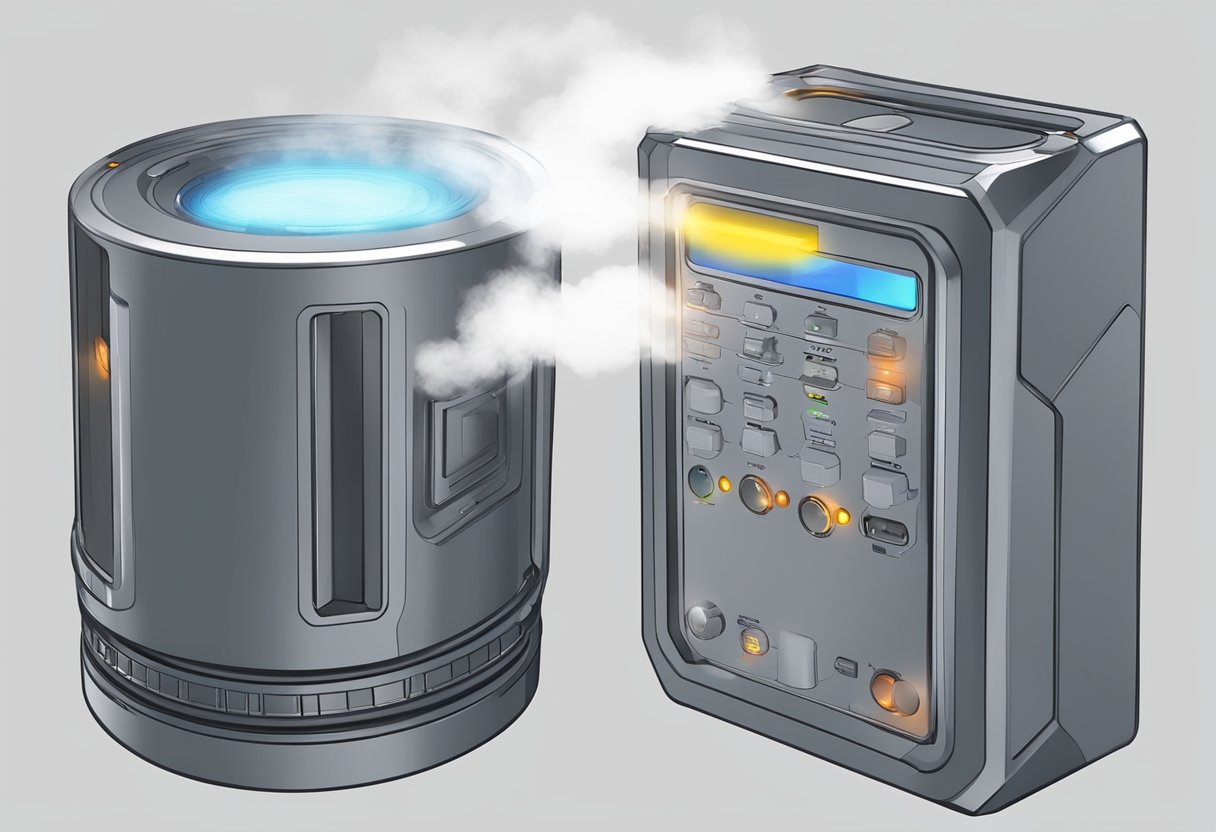
Yes, most vape detectors have visual indicators that activate when vape aerosols are detected. These indicators can include flashing lights or digital displays that show the level of vape aerosols present in the air. Some vape detectors also have audible alarms that sound when vape aerosols are detected.
It is important to note that vape detectors are not foolproof and can produce false positives or false negatives. Proper maintenance and calibration of vape detectors can help to minimize these errors and ensure accurate detection of vape aerosols.
Sources
- How Do Smoke Detectors Work?, National Institute of Standards and Technology
- Health Effects of Vaping, Centers for Disease Control and Prevention