Vaping and Erectile Dysfunction: What the Research Shows

Contents
- Brief on Vaping and its Prevalence in the US
- Understanding Erectile Dysfunction
- Definition and Causes
- Exploring the Link Between Vaping and Erectile Dysfunction
- Overview of Studies and Research Findings
- How Vaping Can Lead to Erectile Dysfunction
- Vaping and Blood Flow
- Nicotine's Impact on the Body
- Other Health Risks Associated with Vaping
- Personal Stories
- Vapers' Experiences with Erectile Dysfunction
- Advice from Health Professionals
- Why Experts Advise Against Vaping
- Alternatives and Solutions to Vaping
- FAQs
- Is occasional vaping also harmful?
- Can the damage from vaping be reversed?
- Where can I find help to quit vaping?
- Sources
Some survey studies have found that men who vape are more likely to report erectile dysfunction (ED). These studies show an association, not proof that vaping causes ED.
Smoking is a well-established risk factor for ED. Nicotine, found in most vapes, affects heart rate, blood pressure, and blood vessels, which gives a plausible reason for concern.
Brief on Vaping and its Prevalence in the US
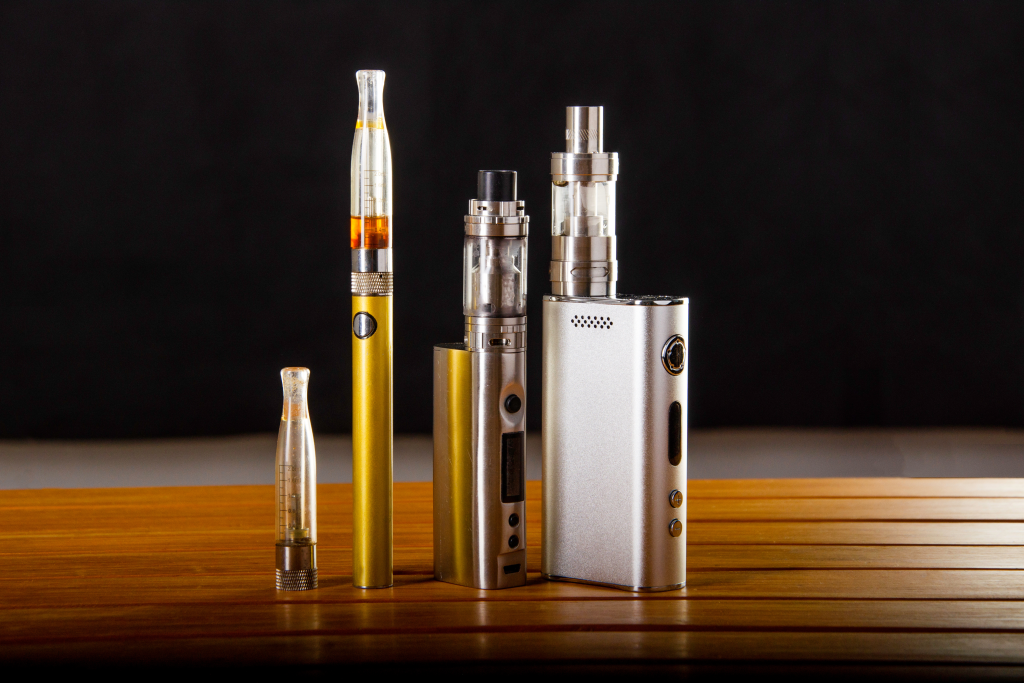
Vaping means inhaling an aerosol from an e-cigarette or similar device. Many adults use vapes to replace cigarettes, and vaping is also common among young people.
In 2024, about 1.63 million US middle and high school students used e-cigarettes, according to the CDC's youth e-cigarette data. The legal minimum age to buy vaping products in the US is 21.
Vaping is linked to several health concerns, and researchers are now studying sexual health too. This vaping health concern deserves a clear look at what is and is not known.
Understanding Erectile Dysfunction
Definition and Causes
Erectile dysfunction (ED) is trouble getting or keeping an erection firm enough for sex. It is common, and it becomes more common with age.
An erection depends on the brain, hormones, nerves, muscles, and blood vessels working together. Causes of erectile dysfunction are usually grouped as physical or psychological.
Physical causes include heart disease, diabetes, obesity, high cholesterol, high blood pressure, and some nerve disorders. Smoking and heavy drinking also raise the risk.
Smoking damages blood vessels and limits blood flow, which is a known cause of ED. Whether vaping has the same effect is not yet clear. For more on the risks associated with vaping, refer to our guide on is vaping bad for you.
Psychological causes include stress, anxiety, depression, and relationship problems. The CDC notes that nicotine addiction can contribute to stress and anxiety. Our articles on vaping and anxiety and vaping and depression cover this further.
A doctor can help find the cause, since ED can be an early warning sign of heart disease or diabetes.
Exploring the Link Between Vaping and Erectile Dysfunction
Overview of Studies and Research Findings
Research on vaping and ED is limited. A few survey studies have reported higher rates of self-reported ED among men who vape than among men who never vaped.
Survey studies like this rely on self-reports and cannot rule out other factors, such as past smoking, age, or health conditions. They cannot show that vaping causes ED.
There is better evidence for short-term effects on blood vessels. The National Academies found substantial evidence of short-term endothelial dysfunction (reduced function of the cells lining blood vessels) after vaping, though long-term effects are uncertain.
Healthy blood vessel function matters for erections, so this is a reasonable area for further research. It is not proof of harm. For other documented concerns, see our article on the negative effects of vaping.
How Vaping Can Lead to Erectile Dysfunction
The points below are possible mechanisms that researchers study. None has been proven to cause ED in people who vape.
Vaping and Blood Flow
An erection depends on good blood flow to the penis. Anything that narrows or damages blood vessels can make erections harder to get or keep.
Short-term changes in blood vessel function have been seen after vaping. Long-term effects on circulation are not yet known. The article vaping and high blood pressure covers related concerns.
Nicotine's Impact on the Body
Nicotine is the main addictive substance in most vapes. According to NIDA, nicotine triggers the release of epinephrine, which raises blood pressure, breathing, and heart rate.
Nicotine also narrows blood vessels, which could affect blood flow to the penis. More information on the effects of nicotine can be found here: risks of e-cigarettes.
Other Health Risks Associated with Vaping
Heart disease, high blood pressure, and diabetes are all major causes of ED. For vaping, long-term evidence on heart disease and stroke is lacking, and research on diabetes risk is limited.
What is known: nicotine raises blood sugar and short-term heart rate and blood pressure. More details can be found in the article long-term effects of vaping.
Personal Stories
Vapers' Experiences with Erectile Dysfunction
Individual stories can be moving, but they cannot show what caused a person's ED. Age, past smoking, stress, and health conditions all play a role, and many of these change at the same time someone starts or stops vaping.
If you notice changes in your sexual health, talk to a doctor rather than relying on anecdotes. For what research says about the long-term effects of vaping and the negative effects of vaping, see our related guides. You can also read about broader vaping health concerns.
Advice from Health Professionals
Why Experts Advise Against Vaping
The CDC and FDA say no tobacco product, including e-cigarettes, is safe. Vape aerosol can contain nicotine, heavy metals, and volatile organic compounds.
Concerns covered on this site include lung damage, asthma, and high blood pressure. Evidence on each varies, and long-term human data are still limited.
Nicotine is highly addictive. Withdrawal can cause irritability, trouble sleeping, and trouble concentrating, which makes quitting hard.
For adults who smoke, vaping is less harmful only as a complete replacement for cigarettes. Non-smokers, young people, and pregnant people should not vape.
Alternatives and Solutions to Vaping
1. Nicotine Replacement Therapy (NRT): Patches, gum, lozenges, nasal spray, and inhalers give controlled nicotine doses to ease cravings and withdrawal.
2. Medication: Prescription medicines such as varenicline and bupropion can help. Talk with a health care provider first.
3. Behavioral Therapy: A counselor can help you plan for cravings and triggers. Counseling plus medication gives the best chance of quitting.
4. Support Programs: Call 1-800-QUIT-NOW for free coaching, or try Smokefree.gov texting programs.
5. Stress Management: Exercise, slow breathing, and other relaxation methods can help with cravings.
Vaping carries its own health risks, even though it is less harmful than smoking for adults who switch completely. A doctor can help you build a plan to quit nicotine.
If you have ED, see a doctor. It is treatable, and it can be an early sign of heart disease, diabetes, or high blood pressure that needs care.
The research on vaping and ED is early. Some studies show an association, and nicotine's effects on blood vessels make a link plausible, but cause and effect has not been proven. For further information, you can explore long-term effects of vaping and vaping health concerns.
FAQs
Is occasional vaping also harmful?
Even occasional vaping exposes you to nicotine and other chemicals, and no level of use is known to be safe. Whether occasional vaping affects erections has not been studied well. For more on the risks, visit is vaping bad for you.
Can the damage from vaping be reversed?
It depends on the person and the problem. Quitting nicotine stops further exposure, and short-term effects like raised heart rate fade. Long-term effects of vaping are still being studied. To understand the long-term effects of vaping, consult a health care professional.
Where can I find help to quit vaping?
Call 1-800-QUIT-NOW for free coaching, or use Smokefree.gov for texting programs and apps. Your doctor can recommend nicotine replacement therapy or prescription medication, and counseling can help too. For more on this, visit vaping and addiction.
Sources
- Public Health Consequences of E-Cigarettes: Conclusions by Level of Evidence, National Academies of Sciences, Engineering, and Medicine
- Vaping Devices (Electronic Cigarettes) DrugFacts, National Institute on Drug Abuse
- Health Effects of Vaping, Centers for Disease Control and Prevention
- How to Quit Smoking, Centers for Disease Control and Prevention