How Long Does THC-O Vape Stay in Your System: Detection Timelines Unveiled
Contents
- Key Takeaways
- Understanding THC-O and Its Properties
- Is THC-O Legal?
- Metabolism and Detection of THC-O
- Drug Testing for THC-O
- Factors Affecting THC-O Metabolic Rate
- The Impact of Usage Patterns on THC-O Retention
- Strategies for Reducing THC-O Presence
- Frequently Asked Questions
- What is the typical detection time for THC-O in a drug test?
- Can trace amounts of THC-O from vaping be found on drug screenings?
- What factors influence the duration of THC-O remains detectable in the body?
- How does the frequency of THC-O vape use affect its longevity in your system?
- Sources
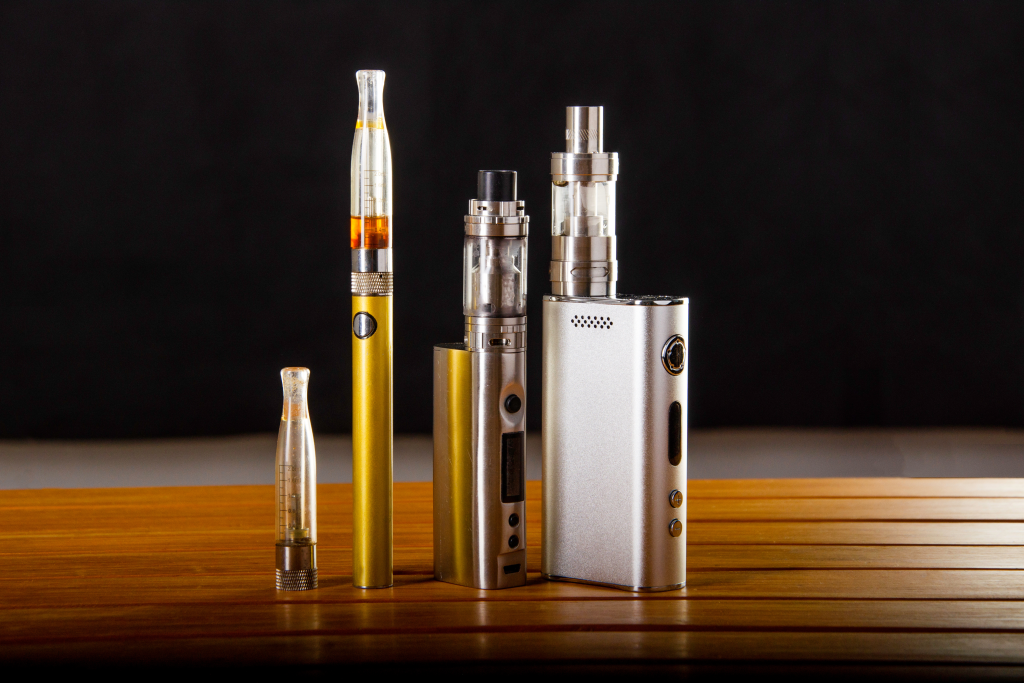
Photo by Elsa Olofsson, CC BY 2.0, via Wikimedia Commons
When it comes to understanding how long THC-O, a synthetic analog of THC commonly found in vapes, stays in your system, it’s important to recognize the complexities involved.
There are no published human studies on how long THC-O stays detectable. Standard cannabis drug tests look for THC metabolites, and you should assume a THC-O product can cause a positive result.
For regular THC, a drug court review found occasional use rarely shows up in urine beyond 3 to 7 days, depending on the test cutoff. Chronic use rarely shows beyond 10 to 21 days.
How often you use, how much you use, and the test's cutoff level matter most. THC-O is also a legal and safety gray area, covered below.
Key Takeaways
- THC-O detection times have not been studied directly; plan on THC-like detection windows.
- Frequent use can extend the time a test stays positive.
- The DEA treats THC-O as a Schedule I controlled substance, and vaping it may produce a toxic gas called ketene.
Understanding THC-O and Its Properties
THC-O, or THC-O-acetate, is a synthetic cannabinoid that is an analog of tetrahydrocannabinol (THC), the active substance found in the cannabis plant. Sellers often market it as stronger than Delta-8 and Delta-9-tetrahydrocannabinol, though no controlled human studies have confirmed how strong it is.
Here’s a brief outline of THC-O’s defining characteristics:
- Synthesis: THC-O is created through specific chemical processes that modify THC. These processes yield a compound that is not naturally occurring in cannabis plants.
- Potency: Often described as stronger than Delta-9 THC, but this is based on anecdotal reports rather than clinical research.
- Effects: Effects are less predictable than those of better-studied cannabinoids, and products are not consistently tested.
- Solubility: Like other forms of THC, THC-O is fat-soluble (or lipid-soluble), meaning it has an affinity for fatty tissues in your body where it can linger.
Vaping THC-O carries a specific risk. Portland State University researchers found that heating cannabinoid acetates under vaping conditions releases ketene, a toxic gas. Ketene was also linked to vitamin E acetate, the additive tied to the 2019 EVALI lung injury outbreak.
Is THC-O Legal?
In a February 2023 letter, the DEA said THC-O does not occur naturally in cannabis, so it isn't hemp and is a Schedule I controlled substance. That position has been disputed.
Congress has since changed the federal definition of hemp. The new definition excludes synthesized cannabinoids and products with more than 0.4 mg of total THC per container, and it is scheduled to take effect December 11, 2026. State laws also vary, so check current law where you live.
Understanding the potency and properties of THC-O is crucial for making informed decisions about its use and anticipating its potential impact on your body.
Metabolism and Detection of THC-O

Little research exists on how the body processes THC-O acetate. What follows draws on what is known about THC testing.
Drug Testing for THC-O
Standard urine screens look for THC-COOH, a metabolite of THC. No study has confirmed whether THC-O produces the same result, so treat a positive test as a real possibility.
Types of Drug Tests:
- Urine tests: The most common method. For THC, occasional use rarely tests positive beyond 3 to 7 days, and chronic use rarely beyond 10 to 21 days, depending on the cutoff.
- Blood tests: Less common, with a shorter window than urine.
- Saliva tests: Usually a shorter window than urine.
- Hair tests: Can reflect use over a longer period, but are less common for cannabis screening.
Factors Affecting THC-O Metabolic Rate
Several factors affect how long cannabinoids stay detectable.
Key factors include:
- Frequency of use: Regular use leads to accumulation and longer detection times. This is the biggest factor.
- Dose: Larger or more potent doses can extend detection.
- Body fat: Cannabinoids are fat-soluble and can be stored in fatty tissue.
- Test cutoff: A test with a lower cutoff level detects use for longer.
The Impact of Usage Patterns on THC-O Retention

When considering how long THC-O will stay in your system, your usage patterns play a significant role. The frequency at which you use THC-O, especially through vaping, can directly influence its detectability. If you indulge frequently, THC-O metabolites have a tendency to accumulate in your body’s fatty tissues, leading to a longer detection window during drug testing.
Daily users are at the higher end of the range, while occasional users usually clear in days rather than weeks. Moreover, the dosage you consume each time you vape complicates the equation. Higher doses of THC-O take longer for your body to metabolize fully, potentially extending the duration it remains in your system.
Understanding the Risks:
- Vaping vs. Edibles/Smoking: Vaping acts faster than edibles, but that doesn't mean it leaves your system faster.
- Dosage Consideration: Frequent consumption of high doses raises the risk of long-term detectability.
- Drug Testing: Regular usage can result in a positive drug test even weeks after your last consumption.
Individual factors like body fat percentage also play a role, so the same habits can produce different results in different people.
Strategies for Reducing THC-O Presence

There is no proven way to speed up how fast your body clears cannabinoids.
- Abstinence: The only reliable strategy is to stop using THC-O and give your body time.
- Hydration: Drink normally. Drinking large amounts of water can be dangerous, and labs may flag diluted samples.
- Detox Products and Saunas: Detox drinks, kits and sauna sessions have no good evidence behind them for passing a drug test.
THC-O spread after the 2018 Farm Bill legalized hemp, but the DEA does not consider it hemp. If you take a prescribed medicine or have a health condition, talk to a doctor before using any cannabinoid product.
Frequently Asked Questions

Understanding the detection time of THC-O in your system is crucial when anticipating a drug test. Here you’ll find specific information about how long THC-O can remain detectable and what factors impact its longevity.
What is the typical detection time for THC-O in a drug test?
THC-O detection hasn't been studied directly. For THC, urine tests rarely stay positive beyond 3 to 7 days after occasional use, or 10 to 21 days after chronic use, depending on the cutoff.
Can trace amounts of THC-O from vaping be found on drug screenings?
Yes, even small amounts of THC-O from vaping may be detectable in drug screenings, especially if the test is conducted shortly after use.
What factors influence the duration of THC-O remains detectable in the body?
The biggest factors are how often you use and how much, plus body fat and the cutoff level of the test.
How does the frequency of THC-O vape use affect its longevity in your system?
The more frequently you vape THC-O, the longer it is likely to remain detectable in your system. Occasional users may clear the substance faster than regular users.
Sources
- The Marijuana Detection Window, National Drug Court Institute (Paul L. Cary)
- PSU study shows vaping cannabinoid acetate leads to formation of deadly gas, Portland State University
- DEA Determines THC-O Illegal Under Federal Law, Kaufman & Canoles
- Change to Federal Definition of Hemp and Implications for Federal Enforcement, Congressional Research Service