Vaping and Quitting Smoking: A Compelling Path to a Healthier Life
Contents
Smoking is the habit to beat. It causes cancer, heart disease, stroke, and lung disease, and quitting is one of the best things a smoker can do for their health.
For adults who smoke, nicotine vaping can help. A Cochrane review with high-certainty evidence found nicotine e-cigarettes help more people quit for at least six months than nicotine patches or gum.
Vaping is not risk-free, and it's only for adult smokers. People who don't smoke, pregnant people, and anyone under 21 (the US minimum sales age) should not vape.
This article covers how vaping compares to smoking, what the quit evidence says, and how to use it safely as a quit tool.
The Rise of Vaping
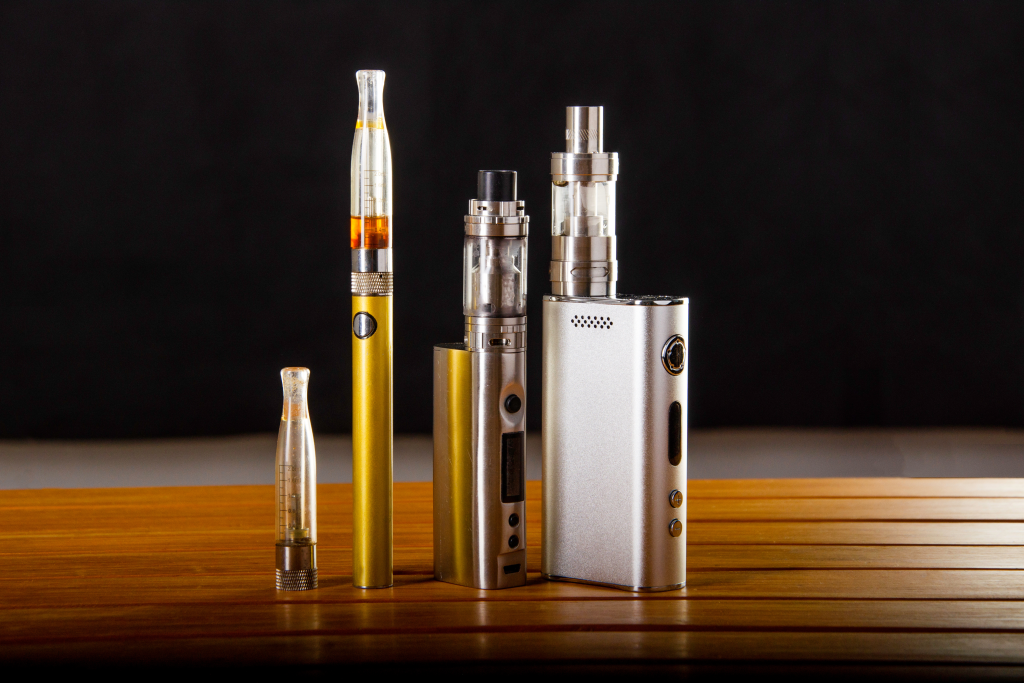
Vaping means inhaling an aerosol made by an electronic cigarette. Instead of burning tobacco, the device heats a liquid that usually contains nicotine, propylene glycol, vegetable glycerin, and flavorings.
Because nothing burns, vape aerosol doesn't contain tar or the carbon monoxide found in cigarette smoke. It does still contain nicotine and other chemicals, including some that can be harmful.
Many smokers try vaping because it can deliver nicotine and copy the hand-to-mouth habit of smoking. E-liquids come in different nicotine strengths, so users can adjust and step down over time.
Vaping as a Smoking Cessation Tool
How vaping can help smokers quit
Vaping supplies nicotine to ease cravings and withdrawal while removing the smoke. That lets smokers break the habit of lighting up without facing full nicotine withdrawal at once.
The Cochrane review of e-cigarettes for smoking cessation, updated in 2026, found that about 8 to 10 in 100 people quit for six months or more with nicotine e-cigarettes, compared with about 6 in 100 with nicotine replacement therapy.
The NHS says people who vape are roughly twice as likely to quit as those using other nicotine replacement products. Almost two-thirds of people who vape with support from a local Stop Smoking Service successfully quit.
US agencies are more cautious. The CDC notes that the FDA has not approved any e-cigarette as a quit aid, and that experts have not found enough evidence to weigh the benefits against the harms.
The FDA has approved seven quit medications, including patches, gum, lozenges, and prescription drugs, that are proven safe and effective when used as directed.
Comparison of the health risks of smoking vs. vaping
Cigarette smoke contains thousands of chemicals, including tar, carbon monoxide, and many carcinogens. These cause most of the harm from smoking.
The National Academies found conclusive evidence that switching completely from cigarettes to e-cigarettes reduces exposure to numerous toxicants and carcinogens. The NHS says vaping poses a small fraction of the risks of smoking in the short and medium term.
That doesn't make vaping safe. Vape aerosol can contain nicotine, metals, cancer-causing chemicals, and fine particles, and the long-term effects are still unknown.
The key is switching completely. The CDC warns that using both vapes and cigarettes ("dual use") isn't an effective way to protect your health.
Benefits of Quitting Smoking
Improved Lung Health
Smoking damages the airways and causes chronic obstructive pulmonary disease (COPD) and lung cancer. After quitting, coughing and shortness of breath often improve over time.
Reduced Risk of Cancer and Other Diseases
Quitting lowers the risk of many cancers, including lung, throat, and mouth cancer. It also lowers the risk of heart disease and stroke.
Increased Energy Levels
Carbon monoxide in smoke reduces how much oxygen your blood can carry. Without it, many ex-smokers find physical activity easier.
Better Overall Well-being
Ex-smokers often notice that food tastes and smells better. Many also save money and feel more in control.
The biggest health gains come from quitting smoking completely. Ideally, you then step down and quit nicotine too.
Success Stories: Real-life Experiences
Many adults have quit smoking with the help of vaping, but individual stories can't tell you how well a method works. Controlled trials can.
The Cochrane review pools results from many trials. Its main finding is that nicotine e-cigarettes help about four more people per 100 quit than nicotine replacement therapy.
Quitting is personal, and what works for one person may not work for another. Support matters: the NHS reports much higher success for people who combine vaping with a Stop Smoking Service.
In the US, you can get free coaching at 1-800-QUIT-NOW or through the tools at Smokefree.gov.
Safety and Regulations
Overview of Vaping Regulations
In the US, FDA regulates e-cigarettes as tobacco products. A company needs a written FDA marketing order to legally sell a new vaping product, and FDA says authorization doesn't mean a product is safe or approved.
Since December 20, 2019, federal law has made it illegal to sell any tobacco product, including e-cigarettes, to anyone under 21.
Safety Precautions for Vaping
- Buy legal products from legitimate retailers: Avoid products from informal sources, especially THC vapes, which were behind most cases of the 2019 EVALI lung injury outbreak.
- Read product labels and instructions: Follow the manufacturer's directions for use, charging, and care.
- Use the correct batteries and charger: Use only batteries recommended for your device, and don't charge a vape with a phone or tablet charger.
- Store devices and e-liquids safely: Keep them away from children and pets, since swallowing e-liquid can be fatal. Store loose batteries in a case.
- Avoid DIY modifications: Don't modify devices or add substances the maker didn't intend.
- Plan your next step: Once you've stopped smoking, consider gradually lowering your nicotine strength.
Conclusion
Vaping is a tool for adult smokers, not a habit to pick up. Used carefully, and only to replace cigarettes completely, it can help some people quit.
Conclusion
For adults who smoke, vaping can be a useful path to quitting. High-certainty evidence shows nicotine e-cigarettes help more people quit than nicotine patches or gum.
Vaping is less harmful than smoking, but it is not harmless. The long-term effects are unknown, and nicotine is addictive.
For the best results, switch completely, get support, and plan to cut down on nicotine over time. If vaping isn't for you, FDA-approved quit medications and free counseling also work.
Note: If you're interested in learning more about the potential risks and concerns associated with vaping, visit Know Your Vape for comprehensive information on topics such as vaping and lung damage, vaping and heart disease, and many more.
Sources
- Can electronic cigarettes help people stop smoking?, Cochrane
- Vaping to quit smoking, NHS Better Health
- Vaping and Quitting, Centers for Disease Control and Prevention
- Public Health Consequences of E-Cigarettes: Conclusions by Level of Evidence, National Academies of Sciences, Engineering, and Medicine