How Much Vaping Is Too Much in One Day? Signs to Watch For

Contents
- Key Takeaways
- Facts You Should Know About Vaping
- What Is Vaping?
- Components of E-Cigarettes
- Varied Concentrations of Nicotine
- The Appeal of Diverse Flavors
- Health Implications of Excessive Vaping
- Short-Term and Long-Term Effects
- Specific Symptoms of Overuse
- Recognizing Nicotine Poisoning and Addiction
- Consulting Healthcare Professionals
- Regulations and Recommendations
- FDA and CDC Guidelines
- Safe Usage Tips for Vaping
- Practical Tips for Vaping Moderation
- Measuring Intake: Puffs and Frequency
- Strategies to Reduce Vaping
- Alternatives and Lifestyle Adjustments
- Frequently Asked Questions
- How do I know if I’m excessively vaping?
- What are the health risks associated with excessive vaping?
- At what point does the frequency of vaping become a cause for concern?
- What signs indicate that I need to reduce my vaping intake?
- Sources
There is no proven safe number of puffs per day, and no health agency has set one. What you can do is understand the potential risks and watch for signs that you're overdoing it.
Heavy use is linked to respiratory issues and nicotine dependence. Nicotine overload can also cause short-term symptoms like nausea and dizziness.
If you don't smoke, the safest amount of vaping is none. If you vape to stay off cigarettes, the goal is to switch completely and, over time, cut down.
Key Takeaways
- No health agency has set a safe daily vaping limit.
- Nausea, dizziness, headaches and a racing heart can signal too much nicotine.
- Cravings, failed attempts to cut down and withdrawal are signs of dependence.
Facts You Should Know About Vaping
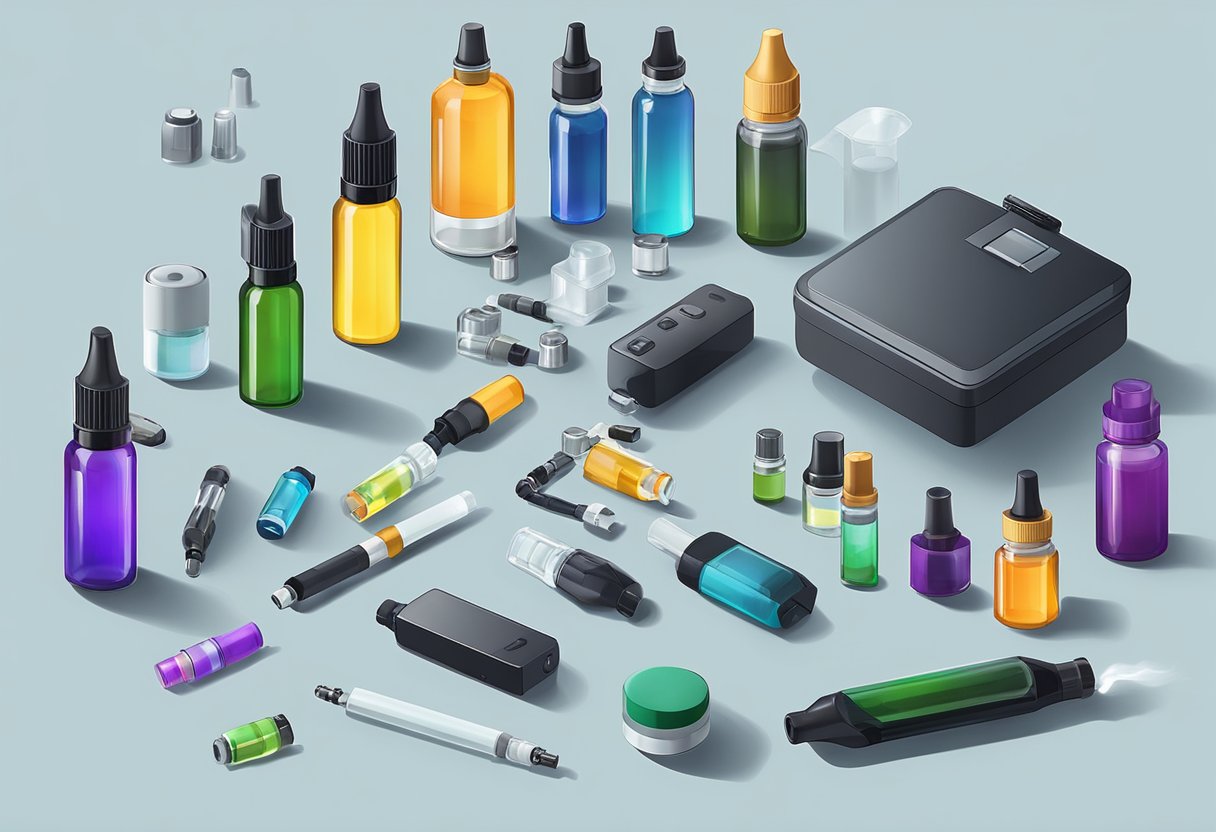
In consideration of vaping, it’s crucial to understand its mechanism, the diverse components involved, the varied nicotine levels available, and the wide array of flavors that cater to different preferences.
What Is Vaping?
Vaping involves inhaling and exhaling an aerosol produced by an electronic device, often referred to as an e-cigarette. It simulates smoking without the combustion of tobacco.
This vapor can contain varying levels of nicotine and flavorings, offering an alternative to traditional tobacco products.
Components of E-Cigarettes
An e-cigarette generally consists of a:
- Battery: The power source, usually rechargeable, that heats the element.
- Heating element: Responsible for turning e-liquid into vapor.
- E-liquid reservoir: This can be a disposable cartridge or refillable tank.
- E-liquid: A mixture of propylene glycol, vegetable glycerin, flavorings, and often nicotine.
Varied Concentrations of Nicotine
E-liquids come with different nicotine concentrations, measured in milligrams per milliliter (mg/mL) or as a percentage.
Depending on your chosen product, nicotine levels can range from 0mg (nicotine-free) to over 50mg per mL.
It’s important to be aware of the nicotine content in your e-liquid to manage consumption effectively.
| Nicotine Strength | Usage |
|---|---|
| 0 mg/mL | Nicotine-Free |
| 3-6 mg/mL | Low |
| 12-18 mg/mL | Medium |
| Over 18 mg/mL | High |
The Appeal of Diverse Flavors
The variety of flavors in e-liquids is a significant part of vaping’s appeal. You’ll find flavors ranging from classic tobacco and menthol to an extensive assortment of fruit, dessert, and beverage-inspired options.
These flavors contribute to the experience and can influence your vaping frequency.
| Flavor Categories | Examples |
|---|---|
| Tobacco | Classic, Rich, Cuban |
| Menthol | Cool Mint, Peppermint, Ice |
| Fruit | Strawberry, Apple, Mango |
| Desserts | Vanilla, Chocolate, Caramel |
| Beverages | Coffee, Cola, Energy Drink |
Health Implications of Excessive Vaping

Excessive vaping can lead to a range of health implications, from immediate symptoms to long-term health risks, including nicotine poisoning and the potential for addiction.
Short-Term and Long-Term Effects
Short-term effects of excessive vaping may include:
- Immediate Symptoms: headache, nausea, cough, dizziness, sore throat, and shortness of breath.
- Respiratory Issues: wheezing and exacerbation of asthma symptoms.
Long-term effects involve more serious health concerns such as:
- Lung Disease: The 2019 EVALI lung injury outbreak was strongly linked to vitamin E acetate in THC vaping products, mostly from informal sources. Effects of long-term nicotine vaping on the lungs are still being studied.
- Heart Disease and Cancer: E-cigarette aerosol contains fewer toxicants than cigarette smoke, but the long-term effects on heart disease and cancer are not yet clear.
Specific Symptoms of Overuse
Overuse of e-cigarettes can manifest through a variety of symptoms, reflecting the body’s reaction to excessive intake of substances found in vaping products:
- Respiratory: Wheezing, cough, and a sore throat.
- Neurological: Headaches, dizziness, and issues with concentration.
- General: Nausea and shortness of breath.
Recognizing Nicotine Poisoning and Addiction
You should be aware of signs indicating nicotine poisoning, such as:
- Increased heart rate
- High blood pressure
- Nausea or vomiting
- Headaches
Nicotine poisoning is most dangerous when someone swallows e-liquid or gets it on their skin, especially children. If you suspect poisoning, call Poison Help at 1-800-222-1222, or 911 for severe symptoms.
Signs of nicotine addiction include:
- Cravings for nicotine
- Continued use despite health risks
- Development of tolerance and dependence
- Experiencing withdrawal symptoms when trying to quit
Consulting Healthcare Professionals
If you experience any of these symptoms or believe you might be vaping excessively, consult a healthcare professional immediately.
They can provide guidance, assess for potential health risks, and offer support for addiction and cessation treatment.
Additionally, they can evaluate symptoms for potential links to serious conditions such as EVALI or other long-term health issues.
Regulations and Recommendations
Understanding the regulations and recommended practices for vaping is crucial for minimizing associated health risks.
Here’s what you need to know about guidelines set by federal agencies and tips for safer usage.
FDA and CDC Guidelines
The Food and Drug Administration (FDA) and the Centers for Disease Control and Prevention (CDC) provide guidance on the use of vaping products.
The FDA regulates e-cigarettes under the Family Smoking Prevention and Tobacco Control Act. Its rules include:
- Age restriction: Selling e-cigarettes to anyone under 21 is illegal under the federal Tobacco 21 law signed December 20, 2019.
- Labeling requirements: Nicotine products must carry the warning "WARNING: This product contains nicotine. Nicotine is an addictive chemical."
The CDC says e-cigarettes should not be used by youth or young adults, citing potential health risks. It also says they may benefit adults who smoke only if used as a complete substitute for smoked tobacco; using both is not an effective way to protect your health.
Neither agency publishes a safe daily amount.
Safe Usage Tips for Vaping
When choosing to vape, you should employ these tips to potentially reduce risks:
- Stay Hydrated: Vaping may cause dry mouth. Ensuring proper hydration is essential.
- Set Limits: Establish self-limits on how much and how often you vape to help control consumption.
- Break from Vaping: Periodically give yourself a break from vaping to reduce continuous exposure.
- Monitor Device Safety: Regularly inspect your vaping device for signs of damage or malfunction.
Remember that these guidelines and tips don’t guarantee safety but are intended to help make informed decisions regarding vaping.
Practical Tips for Vaping Moderation
In navigating the uncertain terrain of vaping, understanding your nicotine intake and making informed decisions about usage are paramount.
These practical tips offer a roadmap to manage and potentially reduce your vaping habit.
Measuring Intake: Puffs and Frequency
To ascertain your current vaping level, start tracking your daily puffs and usage frequency. Utilize tools or apps that help log your intake. Here’s a simple table to guide you:
| Time of Day | Number of Puffs | Notes |
|---|---|---|
| Morning | X | (e.g., after coffee) |
| Afternoon | X | (e.g., post-lunch) |
| Evening | X | (During relaxation) |
| Late Night | X | (Before bed) |
Aim to establish the average number of puffs per day. Once you have this data, set realistic goals for reduction.
Strategies to Reduce Vaping
Decreasing your vaping can be a gradual process. Introduce a conscious delay before vaping, such as waiting an extra 10 minutes when the urge arises.
Pair this with the reduction of puffs per session by setting a limit lower than your current average. You can also step down to a lower nicotine strength over time to lower your overall nicotine intake.
- Set vaping-free periods: Commit to no vaping after a particular hour in the evening.
- Use a timer: Limit each vaping session to a set duration to avoid prolonged use.
- Limit access: Store your vaping device in a less accessible place to avoid mindless usage.
Alternatives and Lifestyle Adjustments
Finding healthier alternatives to vaping can help in smoking cessation.
Engage in activities like exercise, which can serve as a distraction and improve your overall lifestyle. Nicotine replacement therapies such as patches or gum are approved quit aids, and a doctor or pharmacist can help you choose one.
- Practice mindfulness: Deep breathing or meditation can reduce the urge to vape.
- Chew alternatives: Use gum, or healthy snacks.
- Seek support: Join a smoking cessation group for motivation and strategies to quit smoking.
By implementing these tips, you can monitor and adjust your vaping, taking strides toward a healthier lifestyle.
Frequently Asked Questions
In this section, we provide specific answers to common concerns regarding the extent of vaping and its implications for your health.
How do I know if I’m excessively vaping?
If you find yourself reaching for your vaping device increasingly often and the duration of each session has extended significantly, you might be vaping excessively.
Consuming more e-liquid than usual or experiencing a heightened need to vape can also be indicators.
What are the health risks associated with excessive vaping?
Excessive vaping can lead to nicotine addiction and may increase your exposure to harmful substances found in vape juice.
Potential risks include respiratory issues, cardiovascular problems, and negative effects on mental health.
At what point does the frequency of vaping become a cause for concern?
Concern arises when vaping interferes with your daily activities, such as work or social interactions.
If you’re vaping more often than you intend or if it has become a central focus of your day, it’s time to evaluate your usage.
What signs indicate that I need to reduce my vaping intake?
Signs that you should reduce vaping include experiencing withdrawal symptoms when not using your device. You should also consider reducing your intake if you have difficulty in cutting down usage, and any adverse physical effects such as coughing, throat irritation, or shortness of breath.
If vaping is negatively affecting your daily life or health, consider reducing your intake.
Sources
- Health Effects of Vaping, Centers for Disease Control and Prevention
- Outbreak of Lung Injury Associated with the Use of E-Cigarette, or Vaping, Products, Centers for Disease Control and Prevention
- Public Health Consequences of E-Cigarettes: Report Highlights, National Academies of Sciences, Engineering, and Medicine
- Tobacco 21, U.S. Food and Drug Administration