How to Make Vape Coils Last Longer: Essential Maintenance Tips
Contents
- Key Takeaways
- Understanding Vape Coils
- Components of a Coil
- The Role of Wicking Material
- Temperature and Wattage Explained
- Maintaining Your Coils
- Proper Cleaning Techniques
- Coil Priming Process
- Optimal Refilling Practices
- Vape Juice Considerations
- Choosing the Right E-Liquid
- Impact of VG/PG Ratio on Coil Life
- Optimizing Vaping Habits
- Adjusting Your Vaping Device Settings
- Understanding Coil Longevity Factors
- Frequently Asked Questions
- What are the best practices for priming a new vape coil to extend its lifespan?
- In what ways can you clean vape coils to prolong their usage?
- What techniques can you use to prevent vape coils from burning out quickly?
- How often should you replace vape coils to ensure optimal performance?
- Sources
Vape enthusiasts often seek ways to extend the lifespan of their vape coils, a key component that directly impacts the quality of their vaping experience. Coils are responsible for heating the vape juice and turning it into the vapor you inhale, and their longevity is influenced by a variety of factors.
Long-lasting coils not only provide a more satisfying and consistent taste but also reduce the recurring costs associated with vaping. By adopting proper maintenance practices and optimizing your vaping habits, you can ensure that your coils remain functional for as long as possible.
Understanding the factors that contribute to coil degradation is crucial in learning how to preserve them. Factors such as the type of vape juice used, the power setting of your device, and the frequency of usage all play a part in how quickly a coil burns out.
Regular maintenance, such as cleaning and priming your coils, coupled with mindful vaping practices like avoiding dry hits and not overloading the coil with high wattage, can significantly enhance coil endurance.
Key Takeaways
- Proper coil maintenance enhances their longevity.
- The choice of vape juice affects coil life.
- Mindful vaping habits contribute to coil preservation.
Understanding Vape Coils
To enhance your vaping experience and extend the life of your device, it’s crucial to grasp the basics of vape coils. These components are central to the function of your e-cigarette, affecting everything from flavor to vapor production.
Components of a Coil
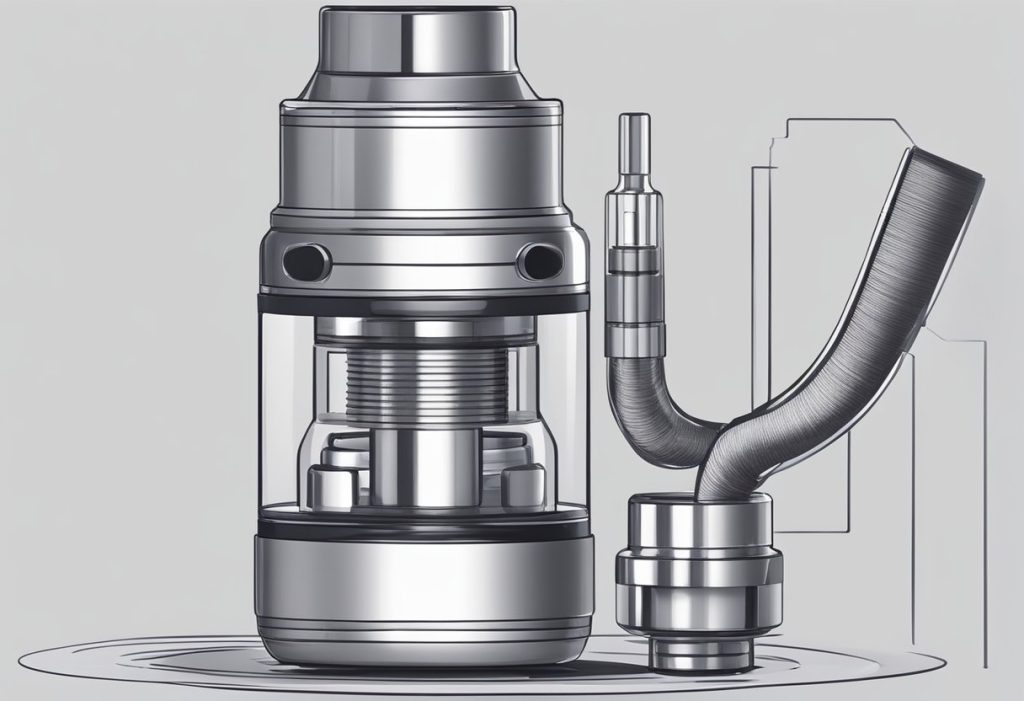
Your vape coil, also known as an atomizer head, is primarily composed of wire that is coiled and a wicking material that absorbs e-liquid. When electricity is applied, the coil heats the liquid on the wick to produce vapor. Coils come in various resistances, measured in ohms, which influence the temperature your coil reaches.
The Role of Wicking Material
The wicking material, typically made from cotton, plays a pivotal role in transporting e-liquid to the coil. Your wicking material’s quality directly impacts your vaping experience. High-quality cotton reduces the chance of unpleasant dry hits and ensures a clean flavor profile. Always keep the wicking material adequately saturated to avoid burnt hits and extend coil longevity.
Temperature and Wattage Explained
The temperature and wattage settings on your device are fundamental to your vape coil’s performance. Higher wattage leads to higher temperatures, which can produce more vapor but also potentially shorten the coil’s lifespan if the setting is too high.
To balance vapor production with coil durability, find an optimal wattage that provides a satisfying vape without unnecessarily stressing the coil. It’s your vaping habits, including the frequency of use and inhalation technique, that will determine the ideal temperature and wattage for your personal use.
Maintaining Your Coils
Proper maintenance of your vape coils can significantly extend their life and enhance your vaping experience. This includes in-depth coil cleaning, correct coil priming, and optimal e-liquid refilling.
Proper Cleaning Techniques
Remove the tank from the battery or mod first, then empty it. Rinse the tank parts with warm water and let them dry completely before reassembling. Never get water on the battery or mod.
Rinsing a pre-made coil head can sometimes clear gunk, but the wick must dry fully before you refill, or you'll get spitting and a weak first hit. A rinse won't fix a coil that tastes burnt.
- Steps for Cleaning:
- Detach the tank from the battery.
- Gently rinse the tank parts under warm water.
- Let everything air-dry completely before reassembling.
Coil Priming Process
Priming your coils is crucial before using a new coil. This process involves adding a few drops of e-juice directly onto the wick material of the coil and letting it soak to prevent dry hits and a burnt taste. Allow the wick to saturate for a few minutes before activating your vape pen to ensure the e-liquid is absorbed.
- How to Prime:
- Apply e-juice directly onto the wick.
- Let it sit to ensure saturation.
- Install the primed coil in your tank, fill it, and wait a few minutes before firing.
Optimal Refilling Practices
When refilling your vape tank, ensure you do not overfill it to avoid leakage. Fill only to the level the manufacturer recommends. Use the correct type of e-liquid for your coil and do not let your tank run dry; this will help you avoid coil replacements due to burnt coils.
- Refilling Tips:
- Do not fill e-liquid to the very brim of the tank.
- Use an e-liquid that is compatible with your device.
- Refill before your tank is empty.
Vape Juice Considerations
Selecting the right e-liquid is pivotal for prolonging the life of your vape coils. Factors like the VG/PG ratio and the presence of sweeteners in your vape juice directly influence how often you’ll need to replace your coils.
Choosing the Right E-Liquid
When you’re choosing an e-liquid, consider the sweetener content. Sweeteners like sucralose leave residue that gunks up coils faster. A Portland State University study also found that sucralose breaks down when vaped and increases aldehyde formation, so less-sweet liquids are better for coils and may reduce some byproducts.
Another point to consider is the flavoring; although more flavorful vaping can be enjoyable, it often comes with more sweeteners which can shorten coil lifespan.
Impact of VG/PG Ratio on Coil Life
The VG (vegetable glycerin) to PG (propylene glycol) ratio in your vape juice affects not only your vaping experience but also how long your vape coils last. E-liquids with a high VG content are thicker and can result in a build-up that degrades coils more quickly. Conversely, e-liquids with a higher PG content are thinner and tend to wick more efficiently, potentially extending coil life.
Aim for a balanced VG/PG ratio to enjoy thick vapor production while maintaining coil longevity. Take caution with dry hits, as they can occur if the juice with high VG doesn’t saturate the wick properly, leading to burnt coils.
Optimizing Vaping Habits
To prolong the lifespan of your vape coils, refining your vaping habits and device settings plays a crucial role. By adjusting specific features of your vaping device and understanding the factors that affect coil longevity, you can enhance your vaping experience and save money on replacement coils.
Adjusting Your Vaping Device Settings
- Wattage Range: Always use your vape within the recommended wattage range. Exceeding this range can lead to overheating and a faster build-up of residue which shortens coil life. Begin with the lowest setting and gradually increase to find the optimum balance between flavor and vapor production without stressing the coil.
- Temperature Control: If your mod supports temperature control and your coil is made for it (stainless steel, nickel or titanium, not Kanthal), it can limit how hot the coil gets and reduce dry hits.
Understanding Coil Longevity Factors
- Dry Burn: Never fire a pre-made coil without e-liquid. It scorches the cotton wick and ruins the coil.
- Build Up: Regular vaping leads to a build-up of residue from e-liquids. This gunk can reduce the efficiency of the coil, so keeping it clean is essential. Regular maintenance can extend the life of the coil and provide a better flavor profile.
By being mindful of these practices and understanding the impacts they have on your vape coils, you can improve your overall vaping habits as a vaper. This leads to not only an improved experience but also significant savings in the long run.
Frequently Asked Questions
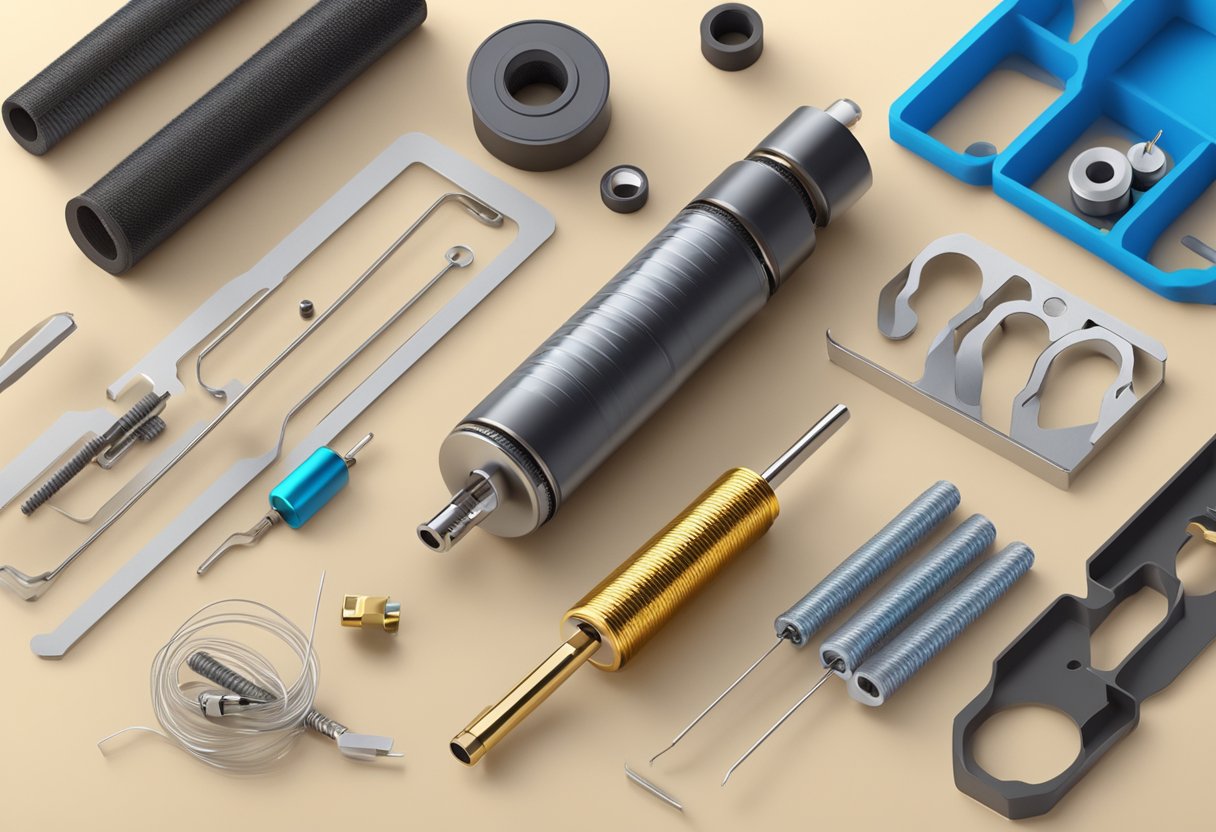
To maximize the lifespan and performance of your vape coils, it’s essential to adopt proper maintenance techniques. Below you will find targeted responses to common inquiries regarding coil care.
What are the best practices for priming a new vape coil to extend its lifespan?
To prime a new vape coil, start by adding a few drops of e-liquid directly onto the wicking material through the juice holes on the coil’s body. Allow the liquid to saturate the wick fully before assembling and filling the tank. Wait for about 5-10 minutes before using the device to ensure the wick is completely saturated.
In what ways can you clean vape coils to prolong their usage?
Rinsing a coil head in warm water can loosen some residue, but results are limited and the wick must dry completely before use. Never rinse the battery or mod. If a coil still tastes burnt after cleaning, replace it.
What techniques can you use to prevent vape coils from burning out quickly?
To prevent coils from burning out, stay within the recommended wattage range for the coil. Gradually increase power when starting with a new coil, and ensure the e-liquid level is sufficient to avoid dry burns. Additionally, avoid taking extremely long or frequent puffs.
How often should you replace vape coils to ensure optimal performance?
Many vapers replace coils every week or two, but this varies a lot with usage and the type of e-liquid you use. Sweetened e-liquids contribute to quicker coil degradation. Monitor flavor quality and vapor production regularly; a noticeable decline often signals that it’s time for a replacement.
Sources
- Sucralose-Enhanced Degradation of Electronic Cigarette Liquids during Vaping, Chemical Research in Toxicology (Portland State University)
- Tips to Help Avoid Vape Battery Fires or Explosions, U.S. Food and Drug Administration