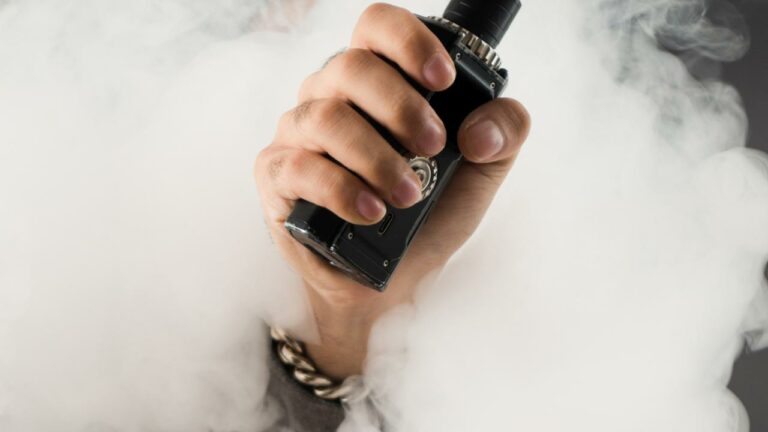
Size often signals power, but that idea does not always fit electronic cigarettes. In vaping, larger e-cig devices can deliver more battery life and output, yet they also add weight and steps to use. People choose differently based on comfort, habits, and goals.
New users face several e-cigarette types, from small cigalikes to mid-size devices and advanced personal vaporizers. Each step up increases size and features, which can affect nicotine delivery and daily use. These choices also connect to public health concerns, regulation, and known health risks linked to aerosol exposure, including ultrafine particles and cancer-causing chemicals.
Key Takeaways
- Larger devices can boost output but often add complexity.
- Simpler devices trade power for ease of use and portability.
- A balanced choice supports safer use within health and regulatory limits.
Larger Batteries Deliver Stronger, Steadier Results
Devices with larger batteries run longer and hold power better through the day. A bigger e‑cigarette battery reduces charging breaks and keeps output steady. Users spend more time vaping and less time hunting for a cable.
Battery size uses mAh to show capacity. As mAh rises, battery life and puff count rise too. Small e‑cigs that look like cigarettes carry the lowest capacity. They suit light use but drain fast with frequent draws.
Typical battery ranges by device size
| Device type | Approx. mAh | Use pattern |
|---|---|---|
| Mini e‑cigarettes | 150–350 | Short sessions |
| Mid-size vape pens | 600–1100 | All-day use |
| Box or tube mods | 2000+ | Heavy use |
Mid-size vape pens and vaporizer sticks balance size and endurance. Many pair with a clearomizer or tank system that holds more e‑liquid or e‑juice. That combo supports steady vapor production without frequent refills.
Larger devices also manage power better. Adjustable voltage and wattage help match the heating coil to the liquid. This control improves flavor from vape juice, including nicotine salts. It also helps thicker blends with higher VG or a tuned PG/VG ratio using propylene glycol and vegetable glycerin.
Advanced electronic cigarettes often use removable cells. These setups suit experienced users who want control and longer runs. Brands like JUUL focus on compact use, while larger vape pens and mods focus on endurance.
Key benefits of bigger batteries
- Longer time between charges
- Consistent power to the coil
- Better results with tanks and thicker liquids
- More options for settings and accessories
With more power on board, the device maintains output from the first puff to the last.
Bigger Often Means More Complicated
Larger vaporizers move away from the simple, puff-and-go style. They use buttons, settings, and parts that need hands-on care. This shift gives users more control, but it also adds steps.
Many mods, including a box mod, use refillable tanks instead of throwaway cartridges. Users fill them with e‑liquid, clean them often, and replace coils. Each task takes time and attention.
Electrical choices also grow with size. Devices may let users change variable voltage or power levels. Coil resistance, measured in ohms, affects heat and vapor output. Lower ohms can increase vapor but demand more knowledge.
| Device Type | Ease of Use | User Control |
|---|---|---|
| Mini e‑cig | Very easy | Low |
| Mods | Moderate | High |
Extra features bring options like screens, upgrades, and accessories. These tools help fine-tune the experience, but they also raise the learning curve.
THE CHOICE: Performance Vs. Simplicity
Some ecig users want strong output and long use time. Others want ease and a small size. The choice often comes down to device type and daily habits.
Larger devices, such as vape mods and many pod systems, deliver more vapor and longer battery life. They suit people who use nicotine often and need steady performance. These devices handle higher nicotine concentration without losing consistency.
Smaller ecigs focus on ease. They feel closer to a cigarette and require little setup. Many use a pre-filled cartridge, which reduces mess and learning time. This design favors people who value speed and portability.
Performance-focused devices offer flexibility. Users can change tanks, power levels, and coil types. They can also try many flavors of nicotine-containing e-liquid. Larger tanks hold more liquid, which cuts down on refills.
Simplicity limits choice but saves time. Mini devices often rely on prefilled cartridges with fewer flavor options. The smaller size means shorter use between charges, but that may not matter for light use.
Key trade-offs to consider:
- Battery life: Larger devices last longer per charge
- Vapor output: Bigger units produce thicker vapor
- Ease of use: Smaller ecigs work right out of the box
- Customization: Mods and pods allow more control
| Feature | Larger Devices | Smaller Devices |
|---|---|---|
| Battery size | High capacity | Low capacity |
| Refill type | Open tank | Pre-filled cartridge |
| Flavor range | Wide selection | Limited options |
| Best for | Frequent use | Occasional use |
Some users keep both styles. They use a larger device at home and a simple e-cigarette when discretion matters. Each option serves a clear purpose based on need, comfort, and routine.
Finding a Happy Vaping Medium
Many users settle between disposable e-cigarettes and full-size devices to balance ease and steady use. Mid-size options offer more power than a cigalike but avoid bulky parts or complex settings.
These devices use a refillable tank and a single button. Users fill the tank, press the button, and inhale. They do not adjust voltage or track technical details.
Why some users choose this range:
- Longer life than disposables
- Stronger vapor than a cigalike
- Simple daily use
| Feature | Mid-Size Device |
|---|---|
| Setup | Fill and press |
| Learning time | Short |
| Care | Light cleaning |
They require basic upkeep, but many users find the tradeoff worth it for steady performance.