How Long to Charge Disposable Vapes: Quick Charging Guide
Contents
- Key Takeaways
- Understanding Disposable Vapes
- Types of Disposable Vapes
- Battery and Capacity Basics
- Components of a Disposable Vape
- Charging Process and Duration
- How to Recharge Your Disposable Vape
- Estimated Charging Time
- Identifying a Fully Charged Device
- Safety and Maintenance
- Best Practices in Charging
- Overcharging and Its Effects
- Storage and Handling Precautions
- Frequently Asked Questions
- How can I tell when my disposable vape is completely charged?
- How long do the batteries in disposable vapes last before needing to be disposed of?
- Is it possible to recharge a disposable vape without a charger, and if so, how?
- Sources
Understanding how long to charge your disposable vape is a key factor in ensuring the longevity of the device and the quality of the vaping experience.
Disposable vapes are convenient and user-friendly, designed for short-term use with a pre-charged battery and pre-filled e-liquid.
However, some disposable vapes come with the ability to be recharged, necessitating a certain amount of charging time to maintain optimal performance.
Charge time depends on the model and the battery's milliampere-hour (mAh) rating, so the manufacturer's instructions are the best guide.
Stay nearby while it charges and unplug it once it's full. The CDC notes that most vape battery explosions have happened during charging.
Key Takeaways
- The duration to charge a disposable vape depends on the battery capacity.
- Careful monitoring during charging enhances safety and device longevity.
- Follow the manufacturer's charge time, and never charge overnight or unattended.
Understanding Disposable Vapes
When examining disposable vapes, it’s important to consider the variety of models available, the basics of their battery capacity, and the integral components that affect performance and lifespan.
Types of Disposable Vapes
Disposable vapes come in various forms, mainly differentiated by whether they are rechargeable or not. Rechargeable disposable vapes offer the flexibility to replenish the battery for continued use, extending their lifespan until the e-liquid reservoir is depleted.
Contrarily, traditional disposable vapes cannot be recharged and are intended for single-use until their battery or e-liquid runs out.
Battery and Capacity Basics
The battery is the heart of a disposable vaping device. Commonly, disposable vapes use lithium-ion or lithium-polymer batteries due to their compact size and efficiency. Battery capacity, measured in milliampere-hours (mAh), indicates the battery’s energy storage and thus its lifespan.
Capacities vary widely between models. A larger battery generally takes longer to charge, so check the listed capacity and charge time for your device.
Components of a Disposable Vape
A disposable vape typically consists of a battery, a coil for heating the e-liquid, a vapor production system, and an e-liquid reservoir.
The quality of each component can vary by manufacturer. Users must adhere to the manufacturer’s instructions for charging, which typically involves connecting the vape to a power source via a USB port or charging port.
Some models may indicate battery life with LED lights or other signals. Users should note that, unlike devices with alkaline batteries, the lithium-based batteries in disposable vapes are designed for a finite number of charges before their performance diminishes.
Charging Process and Duration
When recharging a disposable vape, it is essential to understand the correct method, the typical duration it takes for a full charge, and how to ascertain when the device has reached full battery capacity.
How to Recharge Your Disposable Vape
To properly recharge a disposable vape, one should locate the device’s charging port, which typically fits a micro-USB or Type-C USB cable.
First, ensure that the correct charging cable type is available; most disposable vapes will require either a micro-USB or Type-C cable, but not all cables are compatible with every device.
Next, connect the smaller end of the USB cable to the vape and the larger end to a power source, such as a USB wall adapter or a computer’s USB port.
The FDA advises against charging a vape with a phone or tablet charger. Use the cable and charger the manufacturer recommends.
Estimated Charging Time
There is no single charge time for all disposable vapes. It depends on the battery size and the device's charging circuit.
Check the manual or packaging for your model's charge time, and unplug the device once it's full.
Identifying a Fully Charged Device
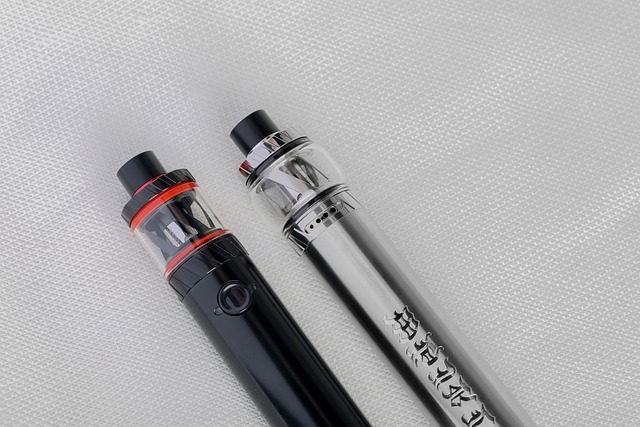
Most disposable vapes will indicate a complete charge through an LED light or indicator. A standard method to determine a full charge is by observing the LED; it may change color from red to green or turn off altogether when the device is fully charged.
If the device lacks an explicit indicator, a rule of thumb is to disconnect the vape after the charging time recommended by the manufacturer has elapsed, to avoid potential overcharging issues.
Should you experience trouble discerning whether the device is fully charged, reviewing the troubleshooting section of the user manual or seeking advice from the manufacturer might be necessary.
Safety and Maintenance
When it comes to disposable vapes, ensuring the safety and longevity of the device is paramount.
Proper charging, storage, and handling practices are essential for maintaining the quality and performance of the battery, as well as preventing potential hazards.
Best Practices in Charging
Rechargeable disposable vapes should only be charged using the cable and adaptor provided or specifically recommended by the manufacturer.
Users should charge their devices in accordance with the manufacturer’s specifications. The FDA's vape battery safety tips include:
- Don't charge your vape with a phone or tablet charger.
- Don't charge it overnight, and charge it where you can see it.
- Don't charge it in extreme heat or cold.
- Unplug the device once it is fully charged.
A burnt taste usually comes from a dry or worn wick, not from charging.
Read Also: How to Tell if a Disposable Vape is Burnt
Overcharging and Its Effects
Overcharging a disposable vape can significantly impact its quality and safety.
The effects of overcharging include:
- Reducing the overall battery life.
- Increasing the likelihood of overheating, which can lead to safety risks.
Following the manufacturer's charge time and unplugging promptly reduces these risks.
Storage and Handling Precautions
Proper storage and handling of disposable vapes are critical for safety and performance. To ensure a disposable vape remains in good condition, consider the following precautions:
- Store the vape at room temperature away from direct sunlight, hot cars and other heat sources.
- Keep it out of reach of children and pets.
- Handle with care to prevent damage to the battery or internal components.
Taking these precautions not only extends the life of your disposable vape but also helps in saving money by reducing the frequency of replacements and maintaining the desired nicotine strengths for a consistent vaping experience.
When it's empty, don't put it in household trash or recycling bins. The lithium battery can cause fires, so take it to a battery or household hazardous waste drop-off.
Frequently Asked Questions
In the realm of disposable vapes, users have common inquiries regarding battery charging, lifespan, and alternatives for recharging. Accurate information on these topics ensures both safety and optimal device performance.
How can I tell when my disposable vape is completely charged?
Most disposable vapes are equipped with an indicator light that signals when the charging is complete. The light typically changes color or turns off, signifying that the battery is fully charged and the device is ready for use.
How long do the batteries in disposable vapes last before needing to be disposed of?
The lifespan of a disposable vape’s battery depends on the brand and model, but generally, they last until the e-liquid is depleted, which can range from a few days to weeks based on user habits.
Once the e-liquid runs out, the disposable vape should be properly discarded.
Is it possible to recharge a disposable vape without a charger, and if so, how?
You still need a power source and the right cable. If you lose the original, use a cable and charger that match the manufacturer's specifications; the FDA advises against phone or tablet chargers.
Never modify the device or try to charge it any other way. That is a fire risk.
Sources
- Tips to Help Avoid Vape Battery Fires or Explosions, U.S. Food and Drug Administration
- Health Effects of Vaping, Centers for Disease Control and Prevention