What is a Blinker Vape: all you need to know
Contents
- Key Takeaways
- Understanding Vape Pens
- Components and Functionality
- Types of Vape Pens
- The Blinker Vape Phenomenon
- Definition of a Blinker Hit
- Popularity and Trends
- Batteries and Safety
- Battery Life and Usage
- Battery Safety and Maintenance
- Blinker Hits and Cannabis Vaping
- Types of Cannabis Oil
- Cannabinoids and Terpenes
- Safety Risks
- E-Liquid and Flavor
- E-Liquid Selection
- Flavor Profiles
- Maintenance and Cleaning
- Cleaning Techniques
- Regular Maintenance
- Draw Technique and Device Settings
- Taking a Normal Draw
- Modifications and Customizations
- Choosing the Right Vape
- Factors to Consider
- Comparing Brands and Models
- Frequently Asked Questions
- What are the potential side effects of using blinker vapes?
- Is it possible to achieve an automatic shut-off with a blinker hit on a vape?
- Can you explain the term 'blinker' when referring to vaping?
- Sources
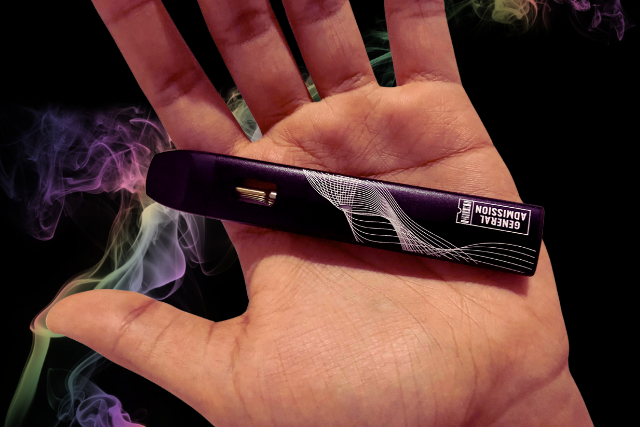
A blinker vape, as the term is used in the vaping community, is a vape pen whose LED light blinks when a single draw lasts long enough to hit the battery's built-in time limit.
Many draw-activated and button pens cut power after a set number of seconds, often around 10, and flash the light when they do. The exact limit depends on the device, so check your manual.
"Hitting a blinker" means inhaling until that cutoff kicks in. It is a social media trend, mostly with THC cartridges, not a feature designed to help you vape more.
The cutoff exists to stop the coil from firing nonstop, which protects the device. It does not make long draws safer for you, and frequent long hits add up to excessive use.
This guide is for adults 21 and older. In the US, the federal minimum age to buy any tobacco product, including e-cigarettes, has been 21 since Tobacco 21 was signed on December 20, 2019.
Key Takeaways
- The blink usually means the battery's timed cutoff has stopped the coil from firing.
- The cutoff is a device protection, not a safe dose. Safe vaping practices mean shorter, normal draws.
- THC cartridges from informal sources were linked to the EVALI lung injury outbreak; buy only from licensed, legal sources where cannabis is legal.
Understanding Vape Pens
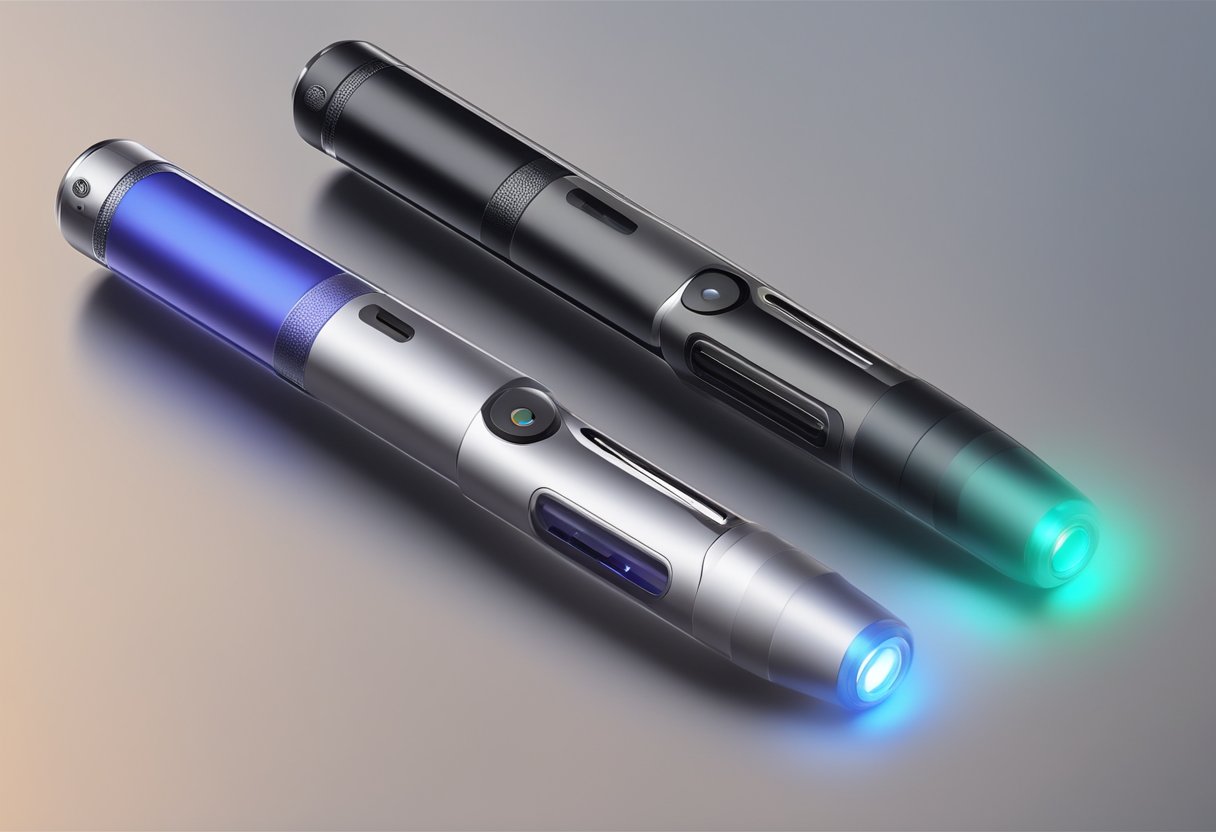
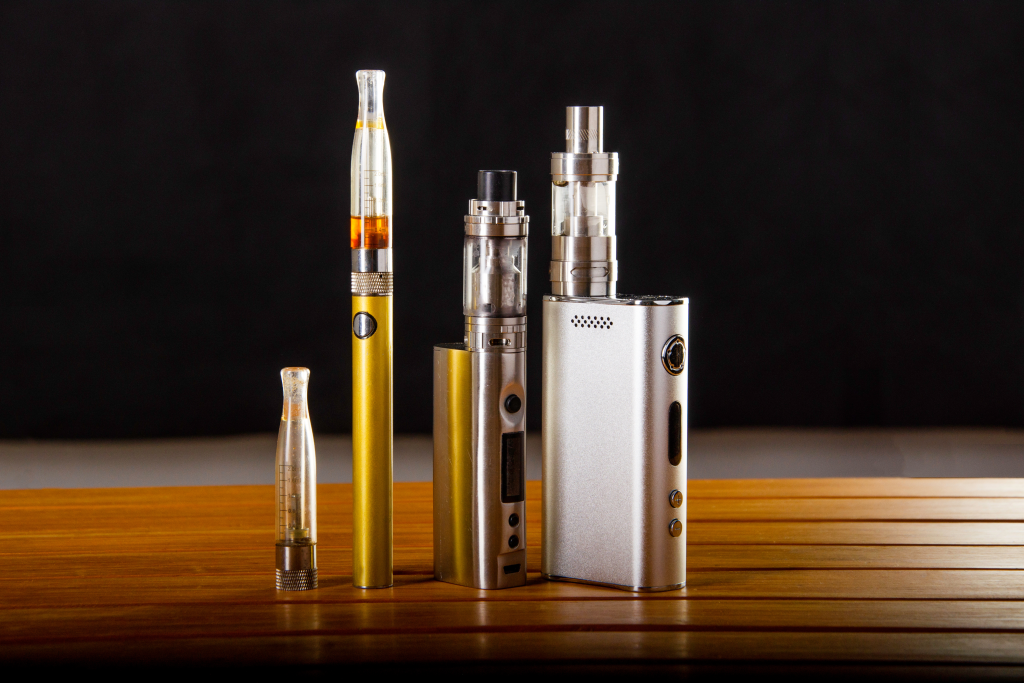
Battery-powered vape pens heat a liquid into an inhalable aerosol. A few parts work together to make that happen.
Components and Functionality
Vape pens are primarily made up of:
- Battery: The power source for the device. Usually rechargeable, and it varies in size and capacity.
- LED Indicator: Signals activation and battery status, and on many pens flashes when the cutoff is reached.
- Atomizer: Houses the heating element that heats the liquid.
- Pod or Cartridge: Refillable or prefilled, and holds the liquid.
On a draw-activated pen, inhaling triggers a sensor that powers the coil. Button pens fire while you hold the button.
| Key Component | Function |
|---|---|
| Battery | Powers the device and is often rechargeable via USB. |
| LED Indicator | Shows activation, battery status and timed cutoff. |
| Atomizer | Contains the coil that heats the liquid. |
| Pod or Cartridge | Holds liquid and can be refillable or prefilled. |
Types of Vape Pens
Vape pens come in different forms:
- Pod System Vape Pens: Compact and simple, these usually have no buttons and fire when you inhale.
- Button-Activated Vape Pens: Fire only while the button is pressed, and some offer adjustable power settings.
Battery capacity and coil resistance vary from model to model. Choose a device from a reputable maker and follow its instructions.
The Blinker Vape Phenomenon
The blinker trend is about taking one draw long enough for the indicator light to blink.
Definition of a Blinker Hit
A blinker hit means inhaling continuously from a vape pen until the LED flashes. The flash usually means the device has reached the maximum firing time set by the manufacturer and cut power.
Some users treat it as a challenge to take the longest possible draw. A longer draw means a larger dose of whatever is in the device, whether nicotine or THC.
Popularity and Trends
Blinker videos spread on social media and through friend groups. Common drivers include:
- Social media shares
- Peer challenges
- Bragging rights
None of these are good reasons to take bigger hits. If you vape, stick to normal draws and the manufacturer's guidelines.
Batteries and Safety
Overheating, fires and explosions are among the vape safety problems the FDA tracks. Good battery habits lower that risk.
Battery Life and Usage
How long a charge lasts depends on battery capacity and how much you use the device. To look after the battery:
- Charge your battery with the cable or charger that came with the device. The FDA advises against using a phone or tablet charger.
- Don't charge it overnight or leave it unattended while charging, and unplug it once it's full.
Table 1: Battery Usage Guidelines
| Action | Recommendation |
|---|---|
| Charging | Use the device's own charger; don't charge overnight |
| Heat | Keep out of direct sun and hot or freezing cars |
| Storage | Keep partially charged if not in use |
Battery Safety and Maintenance
A damaged battery can short circuit or overheat. To keep things safe:
- Inspect your vape regularly for dents, cracks or leaks.
- Clean the connection contacts with a dry cloth to keep a good connection.
List of Battery Safety Tips:
- Keep the device away from extreme heat or cold, and don't charge it in extreme temperatures.
- Store spare batteries in a case, away from coins, keys and other metal objects.
- Replace batteries that are damaged, wet, bulging or leaking.
The FDA's vape battery safety tips cover these points in more detail.
Blinker Hits and Cannabis Vaping
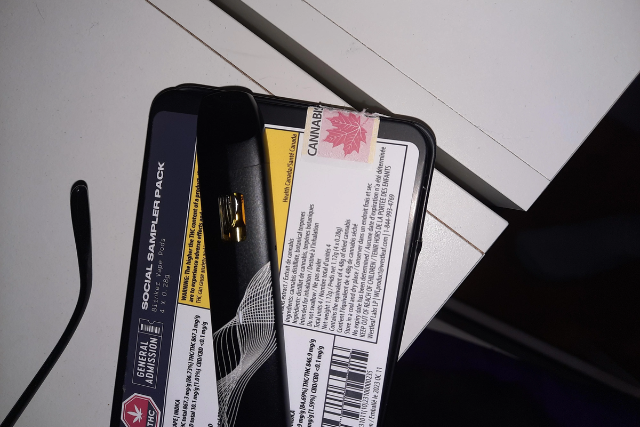
The blinker trend is most common with cannabis oil cartridges on 510-thread pen batteries. Here is what to know about what is in those cartridges.
Types of Cannabis Oil
THC oil is rich in delta-9-tetrahydrocannabinol (THC), the compound that causes the cannabis "high." It is legal for adults only in some states and countries.
Indica and sativa labels are widely used in marketing, but they are not a reliable guide to how a product will affect you. Live resin is made from fresh-frozen plants and is sold for its terpene content.
CBD oil does not produce THC's high. Its potential therapeutic benefits are still being studied, and psychoactive effects can occur if a product contains THC.
The FDA warns that CBD can cause liver injury and can interact with other medicines. It also found that many CBD products did not contain the amount of CBD on the label.
Cannabinoids and Terpenes
Cannabinoids like THC and CBD are the main active compounds in cannabis. They act on the body's endocannabinoid system.
Terpenes are aromatic compounds that give cannabis strains their smell and taste. Some people claim they change a product's effects, an idea called the "entourage effect," but that is not well proven.
- THC: Causes intoxication
- CBD: Not intoxicating; health effects still being studied
- Terpenes add flavor and aroma
Safety Risks
A blinker hit delivers a larger dose of THC in one breath, so effects can be stronger than expected.
The biggest documented danger is product quality. The CDC linked the 2019 EVALI lung injury outbreak mostly to THC vaping products containing vitamin E acetate, especially from friends, family or dealers.
By February 2020, 2,807 hospitalized cases or deaths had been reported, including 68 deaths. CDC and FDA advise against using THC vaping products from informal sources.
- Never buy cartridges from unlicensed sellers.
- Never add anything to a cartridge.
- Don't drive or operate machinery after using THC.
E-Liquid and Flavor
Nicotine pens use e-liquid rather than cannabis oil. The e-liquid sets both the flavor and the nicotine dose.
E-Liquid Selection
E-liquid is a mix of propylene glycol (PG) and vegetable glycerin (VG), with flavorings and usually nicotine. More PG gives a stronger throat hit; more VG gives thicker vapor.
Nicotine strength should match your smoking history. The NHS advises choosing a strength based on how much you smoked. If you have never smoked, don't start vaping.
- Nicotine-Free: 0mg (flavor only, no nicotine)
- Low Strength: 3-6mg (common for sub-ohm vaping)
- Medium Strength: 12-18mg
- High Strength: Over 18mg
Flavor Profiles
Common flavor groups include:
- Fruit: Sweet and bright.
- Dessert: Creamy and rich.
- Menthol: Cool and crisp.
- Tobacco: Earthy, closer to a cigarette.
Flavor intensity depends on the amount of flavoring and the device's power.
Maintenance and Cleaning
Most blinker-style pens use prefilled cartridges or disposable pods, so there is little to clean. Replace the cartridge when it tastes burnt or stops producing vapor.
Cleaning Techniques
Battery and Connection:
- Wipe the 510 connection or pod contacts with a dry cotton swab or cloth.
- Remove any leaked oil or e-liquid from the outside of the device.
- Never get water into the battery.
Refillable Pods and Tanks:
- Follow the manufacturer's instructions for rinsing the tank or pod.
- Let parts dry completely before you put them back together.
- Replace the coil if you notice a burnt taste or less vapor.
Regular Maintenance
Daily Care:
- Check for leaks or residue.
- Wipe the exterior with a clean cloth.
Weekly Inspection:
- Look over the battery for dents, cracks or swelling.
- Make sure connections are clean and secure.
Always check your manufacturer's instructions for product-specific care.
Draw Technique and Device Settings
This section covers comfortable, normal use, not how to chase a bigger hit.
Taking a Normal Draw
-
Draw Technique:
- Take slow, gentle draws of a few seconds rather than holding the device until it cuts off.
- If the light blinks, you have hit the limit; let the coil rest before the next puff.
-
Airflow Control:
- On adjustable devices, tighter airflow gives a more restricted draw and looser airflow gives more vapor.
- Pick a setting that feels comfortable.
Modifications and Customizations
Box mods and rebuildable coils are a separate category from blinker pens. They need knowledge of batteries and coil resistance.
-
Batteries:
- Use only the batteries the manufacturer recommends, and don't mix old and new cells.
- Safety Tip: Never modify a pen battery or disposable to remove its cutoff or safety features.
-
Coils:
- Use replacement coils made for your device.
- Stay within the coil's rated wattage range.
Choosing the Right Vape
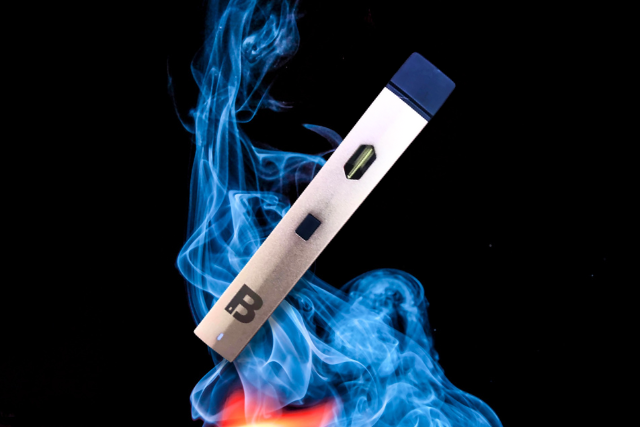
"Blinker vape" is a slang term, not a brand. Almost any pen with a timed cutoff and an indicator light can blink.
Factors to Consider
If you are an adult choosing a vape pen, look at:
- Battery Life: Check the capacity listed on the maker's spec page.
- Size and Portability: Compact pens are easier to carry.
- Safety Features: Short-circuit protection and a timed cutoff are standard on reputable devices.
- Legal Sale: In the US, buy from licensed retailers, and check FDA's Searchable Tobacco Products Database for nicotine vapes with marketing authorization.
- Nicotine Levels: Make sure the device suits the strength you use.
- Ease of Use: Draw-activated pens are the simplest.
Comparing Brands and Models
Specs vary widely between brands, so compare the maker's official spec sheets rather than marketing claims.
Typical cartridge pen batteries:
- Activation: Draw-activated or button.
- Cutoff: A timed limit per draw, signaled by the blinking light.
- Charging: Usually USB with the supplied cable.
Other devices:
- Feature sets range from simple pods to box mods with screens and adjustable power.
Frequently Asked Questions
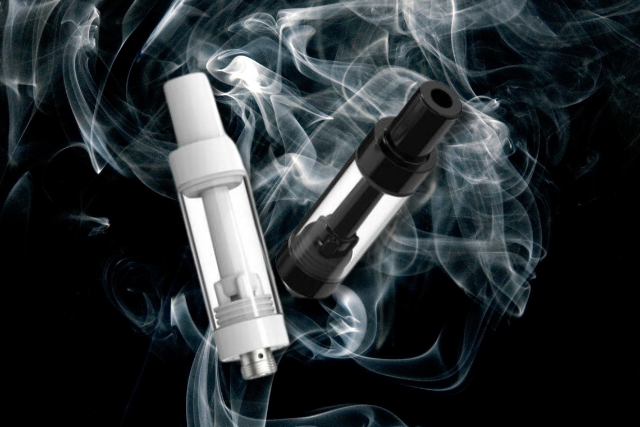
Here are answers to common questions about blinker vapes.
What are the potential side effects of using blinker vapes?
Long draws expose you to more of the aerosol and a bigger dose of nicotine or THC. Common vaping side effects include throat irritation, coughing, dry mouth and headaches. With THC, stronger intoxication is also likely.
Is it possible to achieve an automatic shut-off with a blinker hit on a vape?
Yes. The blink usually means the pen's timed cutoff has stopped the coil from firing, often after about 10 seconds. The cutoff protects the device; it does not make long draws safe.
Can you explain the term 'blinker' when referring to vaping?
'Blinker' refers to inhaling on a vape pen until the LED light flashes. The flash signals that the maximum firing time has been reached and the device has cut power.