Warrior Mechanical Box Mod Clone: Quick Guide
Contents
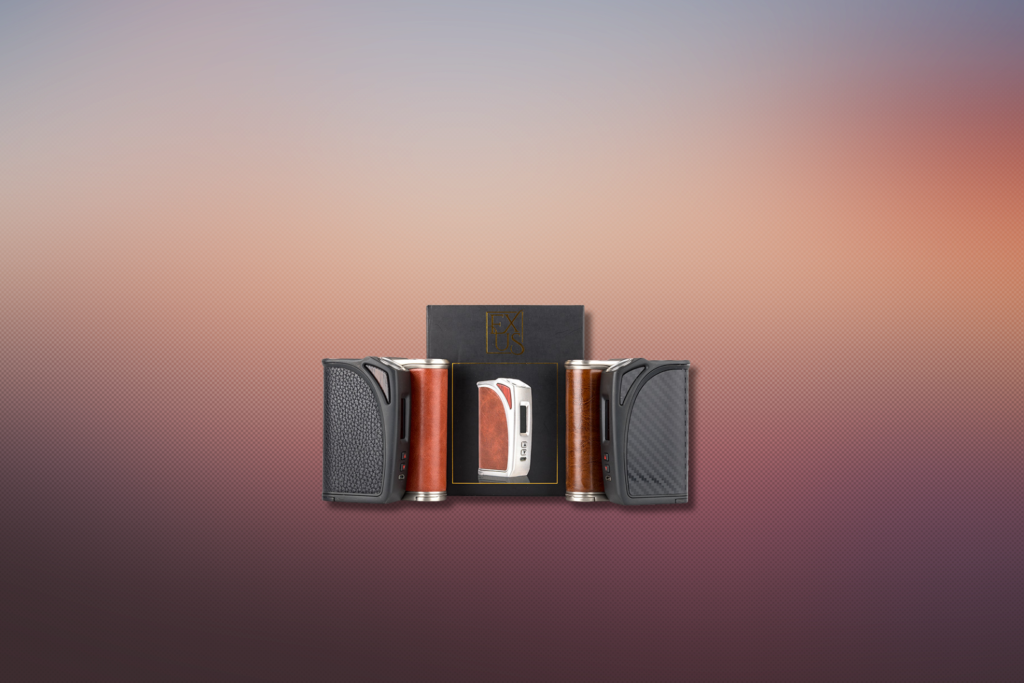
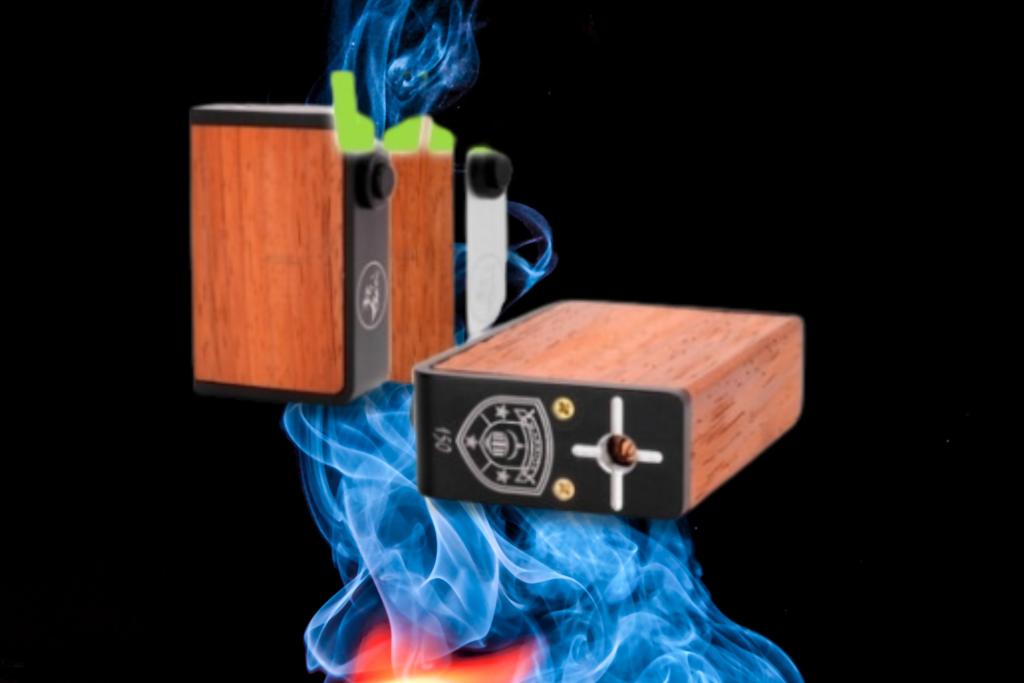
The Warrior mechanical box mod clone is a lower-cost copy of the original high-end Warrior box mod. It copies the design and basic function, but materials and build quality depend on who made it.
The Warrior clone can deliver solid performance for much less than an authentic unit, though build quality varies between makers. Like the original, it sends unregulated power straight from the batteries to the atomizer.
This is a dual-battery series mod, which makes it one of the riskiest device types to get wrong. Series wiring doubles the voltage, so coil choice and battery matching matter far more than on a single-battery mech. It's only for experienced adult vapers.
Key Takeaways
- Warrior mechanical box mod clones are an affordable option for vapers who want the design without the premium price
- Clone quality depends on the manufacturer, so check contacts, threading, and venting before use
- Series mechs need matched batteries and higher-resistance builds than most single-battery mechs
Comprehensive Guide to the Warrior Mechanical Box Mod Clone
The Warrior clone offers dual-battery, mechanical operation with no chip or circuit board. Knowing how series wiring works is the key to using it safely.
Key Specifications and Features
Most Warrior clones hold two 18650 batteries in series. Two fully charged lithium-ion cells give about 8.4 volts, dropping toward roughly 7.4 volts as they drain.
There's no electronic protection: no short-circuit cutoff, no overheat protection, and no low-resistance warning.
The 510 connection, firing button position, and body material vary by clone maker. We couldn't confirm specs for any one version from an official source, so check the listing for the exact model you're buying.
Typical Configuration:
- Battery configuration: Dual 18650 in series
- Output voltage: about 8.4V fully charged, falling as batteries drain
- Connection type: 510 threaded
- Protection: none
How the Clone Compares to Original Mechanical Box Mods
Authentic high-end mechanical box mods are usually machined to tighter tolerances with better contacts. That means less voltage drop and steadier performance.
Clones often use cheaper metals and looser threading. Poor contacts waste power as heat and can make the atomizer connection less stable.
A clone can do the same basic job for less money. The trade-off is that you need to inspect it more closely, because quality control varies.
Compatible Batteries and Components
Use two identical cells. The FDA advises against mixing battery brands, charge levels, or old and new batteries. In a series mod, a mismatched pair puts extra strain on the weaker cell.
Keep them married. Buy the two cells together, label them as a pair, always use and charge them together, and retire them together.
Check the real discharge rating. Use the continuous discharge rating (CDR) published by the cell's manufacturer, not a number printed on a rewrap.
Do the math before you fire. Amps = volts ÷ ohms. At 8.4 volts:
- 0.2 ohms draws about 42 amps
- 0.3 ohms draws about 28 amps
- 0.5 ohms draws about 17 amps
- 0.8 ohms draws about 10.5 amps
For example, with cells rated at 20 amps, the absolute floor at 8.4 volts is about 0.42 ohms (8.4 ÷ 20). Stay well above that for a safety margin. Builds of 0.2 to 0.3 ohms on a series mech would far exceed a 20-amp rating.
Power climbs fast in series. Watts = volts² ÷ ohms, so 8.4 volts on a 0.5-ohm coil is about 141 watts. Check the rated wattage range of any tank coil before pairing it with this mod.
Rebuildable dripping atomizers (RDAs) are the usual choice, built at a resistance that keeps current draw safely inside your batteries' rating.
Usage, Safety, and Maintenance
The National Academies found conclusive evidence that vape devices can explode and cause burns and projectile injuries. The risk rises when batteries are poor quality, stored improperly, or modified by users.
Inspect wraps every time. Damaged wraps can short a cell. Replace or rewrap any battery with nicks or tears, and replace batteries that get damaged or wet.
Check every build with an ohm meter before you put it on the mod. The mod gives no warning about shorts or dangerously low resistance.
Plan your build for safe operation. Calculate amp draw with 8.4 volts as the maximum, and keep it well under your cells' CDR.
Clean contacts regularly. Wipe contact points with isopropyl alcohol and a cotton swab. Oxidation raises resistance and wastes power as heat.
Charge and store safely. Use a quality external charger that charges each cell individually. Follow the FDA's vape battery safety tips: charge on a clean, flat surface you can see, don't charge overnight, and store loose batteries in a case.
Remove batteries for transport and storage. This prevents accidental firing in a bag or pocket.
Flying? Vapes and spare lithium batteries go in carry-on bags only, never in checked luggage, with lithium-ion batteries rated at 100 Wh or less. The FAA says vapes must never be used or charged on the aircraft.
If the mod gets hot or the batteries vent, stop. Get away from the device and remove the batteries only when it is safe to do so.
Sources
- Tips to Help Avoid "Vape" Battery Fires or Explosions, U.S. Food and Drug Administration
- Public Health Consequences of E-Cigarettes: Conclusions by Level of Evidence, National Academies of Sciences, Engineering, and Medicine
- Electronic Cigarettes and Vaping Devices, Transportation Security Administration
- Vapes Marketing Kit (PackSafe), Federal Aviation Administration