What Happens When You Vape for the First Time
Contents
- Key Takeaways
- The First Vaping Experience
- Initial Sensations and Throat Hit
- Common Side Effects and How to Mitigate Them
- Choosing Your First Vape
- Techniques and Best Practices
- Proper Inhalation Methods
- Maintenance and Device Care
- Vaping and Its Components
- Types of Devices and How They Work
- E-juice and Flavor Options
- Nicotine Levels and Their Effects
- Comparing Smoking and Vaping
- Health Considerations and Risks
- Transitioning from Smoking to Vaping
- Frequently Asked Questions
- What are the initial effects I might experience from vaping?
- What should a non-smoker expect when vaping for the first time?
- What can a smoker expect when vaping for the first time?
- Can vaping for the first time cause chest pain or discomfort?
- What signs indicate that someone has vaped excessively during their initial experience?
- Sources
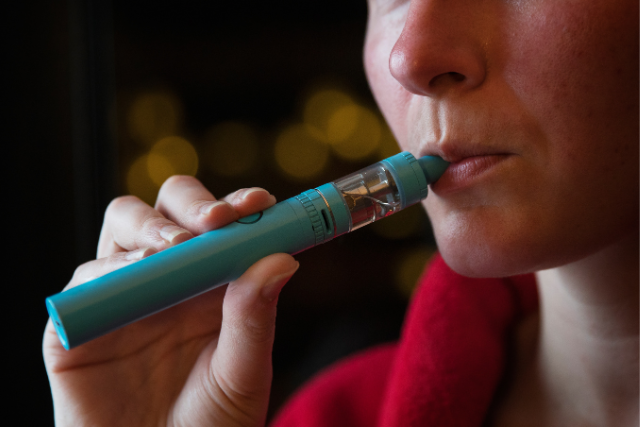
Your first puff from a vape usually brings a "throat hit," and often a cough, a head rush, or mild dizziness if the liquid contains nicotine. These effects tend to fade as your body adjusts.
If you don't smoke, don't start. Health agencies including the CDC and NHS say vaping is meant only for adults who smoke and want an alternative. In the US, it's illegal to sell vapes to anyone under 21.
A vape heats a liquid into an aerosol that you inhale. The aerosol generally has fewer harmful chemicals than cigarette smoke, but that doesn't mean it's without risk.
This guide covers what to expect, how to choose a first device and nicotine strength, basic technique and care, and how vaping compares to smoking.
Key Takeaways
- Vaping introduces you to a less harmful alternative to traditional smoking by inhaling vapor from an electronic device.
- Coughing, throat irritation, headache, and nausea are common early side effects, and they often ease with time.
- Choosing a simple device and the right nicotine strength makes the switch from cigarettes easier.
The First Vaping Experience
When you vape for the first time, you may notice a range of physical sensations and side effects. Knowing what to expect helps you manage them.
Initial Sensations and Throat Hit
As you draw in the vapor, the throat hit, a tingling or catching feeling in the back of your throat, is one of the first things you'll notice.
This sensation can range from mild to intense depending on the nicotine content of the vape juice and your inhalation technique.
Coughing is a common reflex during your first few puffs. In quit-smoking trials, cough and throat or mouth irritation were among the most common side effects, and they often eased with continued use.
- Nicotine Concentration: Higher nicotine leads to a stronger throat hit.
- Inhalation Method: A smooth and slow draw can minimize harshness.
To reduce coughing, start with lower nicotine levels and take gentle puffs.
Common Side Effects and How to Mitigate Them
After a few puffs, you might notice some side effects.
Headache, nausea, and dizziness or lightheadedness can come from nicotine, especially if the strength is too high for you. Some people also notice a dry mouth.
Vaping may also affect your oral health. The ADA notes a study linking vaping to untreated cavities, though it hasn't been shown that vaping causes them.
Here’s how to mitigate common side effects:
- Hydration: Sip water to ease dry mouth.
- Nicotine Adjustment: Choose a lower nicotine strength to reduce dizziness and lightheadedness.
- Mouth Care: Brush and floss regularly to protect your oral health.
- Stop if you feel sick: Put the vape down if you feel nauseous or dizzy, and don't keep puffing to chase a stronger effect.
Choosing Your First Vape
If you're an adult smoker trying vaping as a beginner, start simple. Ease of use matters more than features.
Vape pens and pod systems are user-friendly, portable, and easy to learn.
Device Selection
| Feature | Description | Beginner Recommendation |
|---|---|---|
| Size | Portability and ease of hold | Compact size for convenience |
| Battery Life | Duration device lasts | Look for long battery life for extended use |
| Budget | How much you’re willing to spend | Find a balance between quality and cost |
Select a device that fits comfortably in your hand and is straightforward to operate, with clear instructions for use and cooldown.
E-liquid Choices
- Flavor: Experiment with various flavors to discover what you enjoy. Many beginners prefer flavors that simulate familiar tastes.
- Nicotine Strength: If you're switching from cigarettes, choose a strength that controls your cravings. The NHS notes that e-liquids come in different strengths so you can adjust your intake to manage withdrawal. Too high can cause nausea or dizziness, and too low may leave you reaching for cigarettes.
Before a purchase, ensure the vape’s components, such as the refill mechanism and the ease of use when changing flavors, align with what you are looking for.
A dependable battery life means less recharging. Buy from a legitimate retailer, and use only the charger made for your device.
If friends are the reason you're curious, it's worth reading about how peer pressure can shape your vaping journey before you start.
Techniques and Best Practices
To ensure a satisfying and safe experience with vaping, it’s crucial to understand the correct inhalation methods and how to maintain your device.
Proper Inhalation Methods
Acquainting yourself with these practices will help you maximize the performance and longevity of your vape.
When starting as a beginner in the vape market, knowing whether to use a mouth-to-lung (MTL) or direct-to-lung (DTL) technique is a fundamental step.
For MTL, akin to drawing breath through a straw, you first draw vapor into your mouth and then inhale it into your lungs.
This technique is typically used with higher resistance coils found in vape tanks and common for those transitioning from smoking traditional cigarettes.
On the other hand, the DTL method involves inhaling the vapor directly into the lungs, much like taking a deep breath.
This is often associated with lower resistance coils that can handle more power, such as those in sub-ohm vape mods and box mods.
-
MTL Inhalation: Take a slow and steady draw into your mouth, pause, then inhale to your lungs and exhale.
- Preferred by many beginners because it feels like drawing on a cigarette.
- Works well with tank systems like RTAs, which support higher resistance coils.
-
DTL Inhalation: Draw vapor directly to your lungs and swiftly exhale.
- Used with advanced systems such as RDAs and RDTAs.
- Ideal for experienced vapers looking for more vapor production.
Remember, MTL can feel smoother for beginners, while DTL requires practice and is typically preferred for its richer vapor production.
Maintenance and Device Care
Ensuring your device’s longevity involves regular maintenance and understanding the care of different components. Here’s a basic guide for maintaining vape mods and tanks:
- Coils: Replace regularly, as burnt coils lead to unpleasant tastes.
- Vape Tank: Clean between flavor changes to avoid residue buildup.
Daily Vape Device Checklist:
- Check that the battery connections are clean.
- Inspect coils for gunk buildup and replace if necessary.
- Ensure vape juice levels are sufficient; refill as needed.
- Clean the mouthpiece and tank periodically.
Monthly Vape Device Tasks:
- Deep-clean your vape tank and disassemble for thorough maintenance.
- Examine mod threading and clean to prevent damage.
- Update firmware for any digital box mods to keep it running smoothly.
Vaping and Its Components
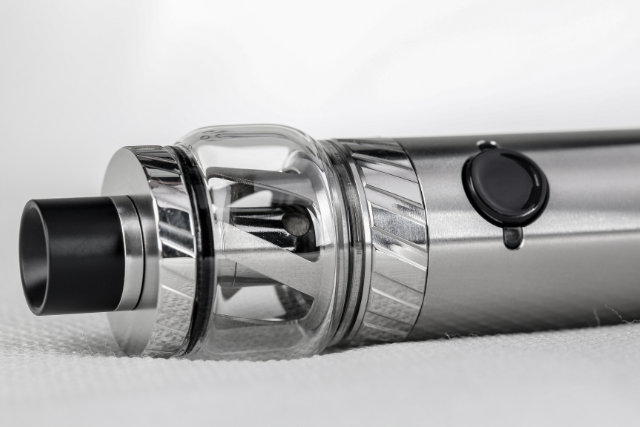
In this section, we explore the technology behind vaping devices, the variety of e-juice flavors available, and the impact of nicotine levels on your vaping experience.
Types of Devices and How They Work
The core components of a vaping device include the battery, atomizer, and e-liquid or e-juice.
The battery powers the atomizer, which consists of a coil that heats up to vaporize the liquid.
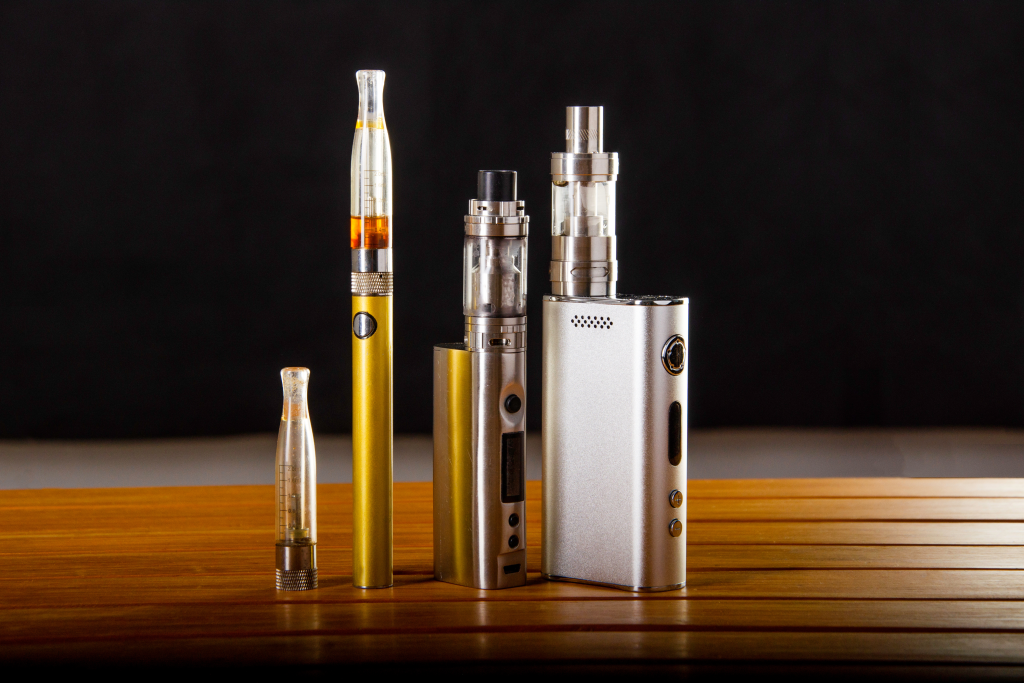
Pod vapes and vape kits are commonly used types of devices.
Pod vapes are compact and user-friendly, with replaceable pods that contain the e-liquid and coil.
Vape kits may include more advanced devices, like sub ohm tanks, designed for creating larger vapor clouds, and usually feature adjustable wattage. Some also offer temperature control.
- Battery: Energizes the device.
- Atomizer: Houses the coil and wick.
- Coil: A resistive heating element.
- Wick: Typically made of cotton, absorbs the e-juice.
- Mouthpiece: Where you inhale the vapor.
E-juice and Flavor Options
E-juice, also known as vape juice or e-liquid, is the liquid that’s vaporized by the heating element.
It’s primarily composed of propylene glycol (PG), vegetable glycerin (VG), flavorings, and often, but not always, nicotine.
The ratio of PG to VG determines the throat hit and vapor production.
Flavors range vastly from traditional tobacco to various fruit, dessert, and even beverage-inspired options.
- Propylene Glycol (PG): Enhances flavor delivery.
- Vegetable Glycerin (VG): Produces denser vapor clouds.
- Flavors: Wide selection for customization.
Nicotine Levels and Their Effects
Nicotine is in most e-juice, and the levels vary widely.
Strength is measured in milligrams per milliliter (mg/mL) or as a percentage. The ADA notes some products now contain 5% nicotine (about 50 mg/mL), often as nic salts, a smoother form that allows higher concentrations without as much harshness. Some countries cap strength lower; Canada's limit is 20 mg/mL.
The right nicotine level for you depends on your personal preference and smoking habits.
- Nicotine Level: Dictates strength and throat hit.
- Nic Salts: This may offer a more satisfying nicotine experience for some users.
Note: It’s essential to understand the makeup of your vaping device and e-juice to ensure a safe and enjoyable vaping experience.
Comparing Smoking and Vaping
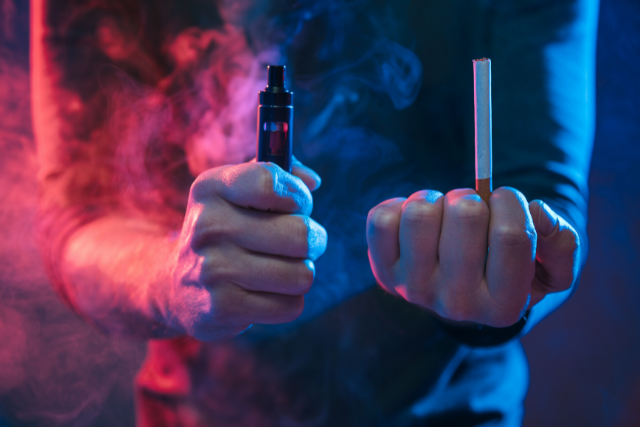
When considering the switch from smoking to vaping, you’ll encounter differences in health implications and the process of transitioning.
Vaping devices, such as disposable e-cigarettes, offer an alternative to traditional tobacco products; understanding the nuances between the two can inform your decision.
Health Considerations and Risks
Vaping introduces an aerosol into your lungs, which typically contains fewer toxic substances than the smoke from burning tobacco.
Traditional cigarettes release tar and a wide spectrum of harmful chemicals associated with various diseases, while vapes usually contain a reduced number of chemicals.
However, this doesn’t render vapes completely harmless. You may still be exposed to substances that can pose health risks.
- Chemicals: Cigarette smoke contains thousands of chemicals, many known to be toxic. Vape aerosol can also contain harmful substances, including nicotine, metals, and cancer-causing chemicals, generally at lower levels.
- Tar: Present in cigarettes, tar is a sticky substance that can damage your lungs over time. Vape aerosol does not contain tar.
- Addiction: Both smoking and vaping can lead to addiction due to the presence of nicotine.
The side effects of vaping may include irritation of the mouth and airways, and the long-term effects are still being studied. Your choice should be informed by an understanding of these risks.
Transitioning from Smoking to Vaping
If you’re aiming for smoking cessation, you might consider using vaping as a step down from smoking.
Switching completely to vaping is less harmful than smoking, because it cuts out many combustion-related toxins. A Cochrane review found high-certainty evidence that nicotine e-cigarettes help more people quit smoking than nicotine patches or gum.
The key is to stop smoking entirely. Using both vapes and cigarettes doesn't give the same benefit.
- Step-down approach: Gradually reducing nicotine levels in your vape can help manage addiction.
- Behavioral habits: Vaping may replicate some of the physical actions of smoking, potentially easing the transition.
Disposable e-cigarettes are a common choice for those transitioning, but they can keep a nicotine habit going. Plan to step down your nicotine over time.
Your journey should be tailored to your personal goal, whether it be reducing nicotine intake or quitting altogether.
Frequently Asked Questions
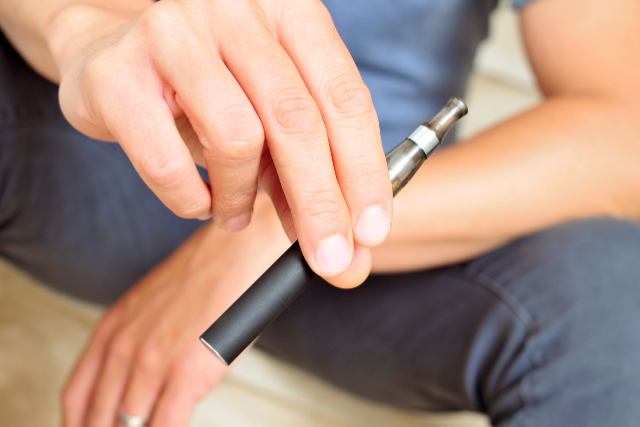
Here are answers to common questions about what the first time vaping feels like.
What are the initial effects I might experience from vaping?
When you vape for the first time, you might experience a sensation of warmth or tingling in your throat, commonly referred to as a “throat hit.”
Some people also notice a mild head rush due to the nicotine content, especially if using e-juice with a higher nicotine level.
What should a non-smoker expect when vaping for the first time?
If you don't smoke, the best advice is not to start. The CDC and NHS both say non-smokers should not vape, and nicotine is highly addictive.
Non-smokers who try it usually react more strongly, with coughing and lightheadedness or nausea if the liquid contains nicotine. Teens can show signs of nicotine addiction quickly, sometimes before they vape regularly.
What can a smoker expect when vaping for the first time?
If you’re a smoker trying vaping for the first time, it may feel less harsh than smoking cigarettes, depending on the nicotine strength you choose.
You may find the flavor cleaner and the experience smoother, but the sensation might not fully match the intensity of smoking tobacco due to differences in chemical composition and delivery.
Can vaping for the first time cause chest pain or discomfort?
Vaping for the first time could potentially cause chest discomfort or pain, particularly if you inhale too deeply or are not used to the vapor.
If you have chest pain, shortness of breath, or pain that doesn't go away, stop vaping and see a doctor. Call 911 for severe or sudden chest pain.
What signs indicate that someone has vaped excessively during their initial experience?
Signs of too much nicotine include dizziness, nausea, headache, and a racing heart.
If you notice these symptoms, stop and take a break.
Nicotine can hit first-time users hard. Swallowing e-liquid is far more dangerous and can be fatal, especially for children, so store it out of reach.
Sources
- Can electronic cigarettes help people stop smoking?, Cochrane
- Health Effects of Vaping, Centers for Disease Control and Prevention
- Vaping to quit smoking, NHS Better Health
- Vaping, American Dental Association (MouthHealthy)