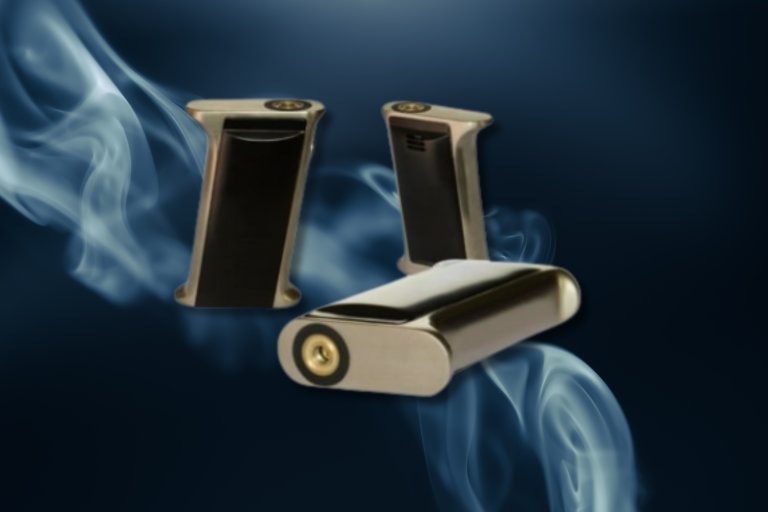
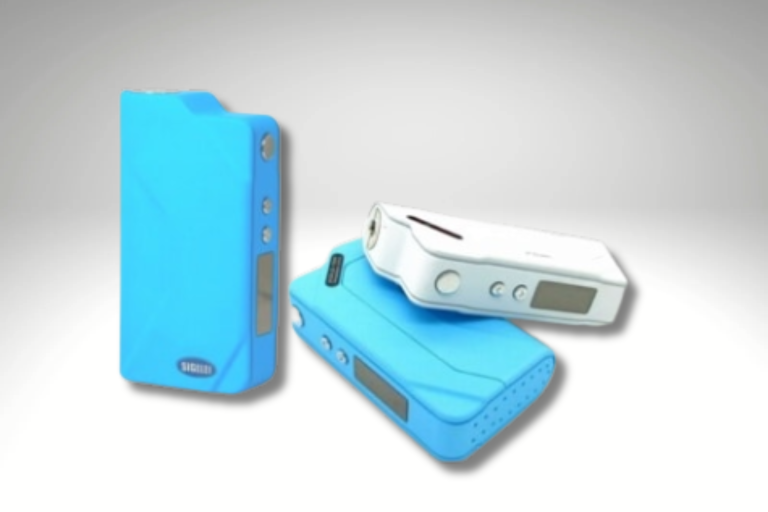
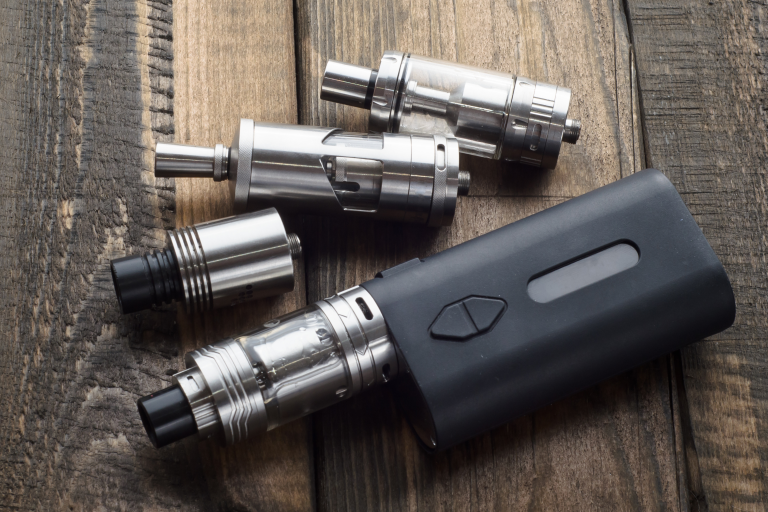
The Osmium Mechanical Box Mod Clone offers a sleek and practical option for those who prefer full control over their vaping device. Its sturdy build and simple design appeal to those who value performance without unnecessary features. It delivers a reliable vaping experience at a lower cost while keeping solid construction and consistent power output.
This device mirrors the feel of a high-end mod but remains accessible for anyone wanting a mechanical setup. Its design focuses on durability and efficiency rather than decoration. Many choose it for its straightforward function and easy maintenance, making it a strong choice for experienced users and enthusiasts alike.
Key Takeaways
- The Osmium Mechanical Box Mod Clone provides solid performance and dependability.
- Its design emphasizes strength, simplicity, and ease of use.
- It offers an affordable option for those interested in mechanical vaping devices.
Osmium Mechanical Box Mod Clone Overview
This device combines a sturdy mechanical design with adjustable features for experienced users who prefer hands-on control. Its structure, electrical performance, and compatibility with different batteries determine how reliable and safe it is in daily use.
Design and Construction
The Osmium Mechanical Box Mod Clone uses a dual-battery metal body that feels solid and weighty in the hand. Its rectangular frame provides stability on flat surfaces, and the firing button placement allows easy thumb or finger use.
Manufacturers often make the clone body from zinc alloy or stainless steel, which protects the internal contacts from wear. Threading at the connectors usually supports standard 510 atomizers, making it easy to attach tanks or RDAs without extra tools.
Many units include vent holes near the base to release heat and pressure. While finish options vary—brushed steel, black matte, or polished silver—each aims to replicate the look of the authentic Osmium box mod. The overall build gives users a sense of simplicity without electronic screens or regulators.
Performance Features
Because it’s a mechanical mod, the Osmium Clone delivers power directly from the batteries to the atomizer coil. This means no circuit boards or digital chips are controlling the output. The power depends on coil resistance and battery voltage, so experienced users often choose specific builds to control vapor output and warmth.
Good conductivity is essential. The clone typically uses copper or brass contacts, which lower voltage drop and improve performance. Users can expect a quick response when pressing the fire button if the contacts are clean and tight.
Maintenance affects how well it performs. Regular cleaning of threads, springs, and pins keeps current flow consistent. Simple mechanical systems like this allow easy repair and replacement of parts without specialized tools.
Battery Compatibility and Safety
The Osmium Mechanical Box Mod Clone usually supports dual 18650 or sometimes 26650 lithium-ion cells, placed in parallel or series depending on the model. Users need to understand how the configuration changes the total voltage and output current.
Safety mainly depends on battery quality and handling. Using matched cells with the same charge level helps prevent imbalance and overheating. The clone design often includes venting slots to reduce pressure buildup if a battery fails.
Because there is no built-in chipset, protection features such as low-voltage cutoff or short-circuit prevention are absent. Users must check coil resistance manually with an ohm meter and follow Ohm’s Law to ensure safe operation. Proper storage in e-go or battery cases prevents accidental discharge during transport.
Comparison of Clone vs Authentic
The authentic Osmium Box Mod usually offers tighter machining tolerances and smoother threading. Its switch mechanism often feels firmer and more consistent than the clone version. Authentic models typically use higher-grade metals and provide better plating on contacts, which improves durability.
Clones appeal to users because they cost significantly less and look very similar. However, small differences—such as slight firing delay, looser switch spring, or less precise engraving—can affect the long-term experience.
While the clone can perform well when maintained properly, the authentic version tends to have a longer lifespan and more reliable conductivity. Each option serves different needs: the clone provides affordability for experimentation, while the authentic model focuses on refinement and lasting build quality.