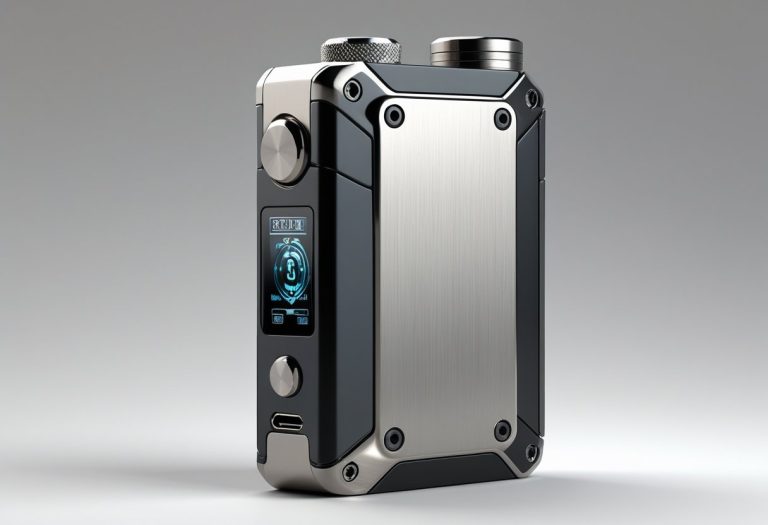
The Raptor T6 box mod clone offers vapers a budget-friendly alternative to the original high-end device. This replica aims to deliver similar performance and features at a fraction of the cost. Many vapers wonder if these clones can match the quality of authentic models.
The Raptor T6 clone provides dual-battery power, adjustable wattage up to 120W, and a compact design that makes it attractive to both new and experienced vapers. The device uses the same basic chip technology as the original but cuts costs through simpler construction and materials. This makes it accessible to people who want powerful vaping without spending hundreds of dollars.
Understanding what sets this clone apart helps buyers make informed choices. The device’s build quality, safety features, and performance all factor into whether it’s worth the purchase. This guide breaks down everything about the Raptor T6 clone to help vapers decide if it fits their needs.
Key Takeaways
- The Raptor T6 clone provides high-wattage vaping performance at an affordable price point
- This device features dual-battery operation and adjustable power settings up to 120W
- Build quality and safety features differ from the original but remain functional for most users
Raptor T6 Box Mod Clone: Detailed Overview
The Raptor T6 box mod clone uses the same chip design as the original but comes at a lower price point. The device can handle power levels up to 120 watts and works with builds as low as 0.2 ohms.
Key Features and Design
The Raptor T6 clone features a dual 18650 battery configuration housed in an aluminum or Hammond enclosure. Most clones measure approximately 4 inches by 2.5 inches by 1 inch.
The control board includes a potentiometer dial for adjusting voltage output from 3.3V to 6V. A basic LED display shows the current voltage setting. The 510 connection sits flush with the top panel and accepts most atomizers with standard threading.
Build quality varies between manufacturers. Some clones use the actual Raptor 20A chip, while others substitute similar components. The wiring typically includes 16-gauge silicone wire connecting the batteries to the chip and 510 connector.
The box includes basic safety features like low voltage cutoff and reverse polarity protection. Most versions weigh between 6 to 8 ounces without batteries installed.
Performance and Build Quality
The clone delivers consistent power output when using quality 18650 batteries rated for 20A or higher. Battery life ranges from 4 to 6 hours of regular use depending on the resistance of the coil build.
Voltage regulation remains stable across the adjustment range. The device fires quickly with minimal delay between button press and activation. Heat buildup occurs during extended use but stays manageable with proper ventilation holes.
The solder joints and wiring quality determine long-term reliability. Better clones use proper gauge wire and secure connections. Cheaper versions may develop loose wiring or connection issues after several months of use.
The firing button on most clones uses a tactile switch rated for 1 million presses. The 510 connection uses a spring-loaded center pin to maintain contact with different RDA bases.
Compatibility With RDA and Coil Builds
The Raptor T6 clone works with any standard 510-threaded RDA. The flush-mounted connection supports atomizers up to 25mm in diameter without overhang.
For coil builds, the sweet spot ranges from 0.5 to 1 ohm. A 1ohm load produces around 36 watts at full voltage, delivering warm vapor without excessive battery drain. Builds between 0.3 and 0.5 ohms push the device closer to its maximum output.
Sub-ohm builds below 0.2 ohms can trigger the chip’s protection circuit. Dual coil RDAs perform well with this box mod when each coil measures between 1.0 and 1.5 ohms.
The device handles both kanthal and nichrome wire builds effectively. Stainless steel works but requires careful resistance calculation to avoid exceeding the chip’s limits.
Voltage Drop and Ohms Testing
Voltage drop testing shows most clones lose 0.1 to 0.3 volts under load. A 1ohm load at 4.2V input typically delivers 3.9 to 4.0V at the 510 connection.
Testing with different ohm ratings reveals consistent results:
| Resistance | Set Voltage | Actual Output | Voltage Drop |
|---|---|---|---|
| 0.5 ohms | 4.2V | 3.8V | 0.4V |
| 1.0 ohms | 4.2V | 4.0V | 0.2V |
| 1.5 ohms | 4.2V | 4.1V | 0.1V |
Higher resistance builds show less voltage drop due to reduced current draw. The device maintains better efficiency with builds above 0.8 ohms. Battery sag becomes noticeable below 30% charge, reducing effective output by 0.2 to 0.4 volts.